If you’re buying your first condo in Rittenhouse Square, it’s easy to fall for the view, the address, or a beautifully finished kitchen before you’ve looked at the numbers or the building behind the unit. That’s completely understandable. In this part of Center City, a condo purchase is often as much about the building, the fees, and the daily lifestyle as it is about the square footage itself. This guide walks you through the process step by step so you can buy with more clarity, fewer surprises, and more confidence. Let’s dive in.
Why Rittenhouse condo buying is unique
Rittenhouse Square sits in one of Center City’s most established and high-value condo markets. The neighborhood is shaped by high-rise living, luxury retail, dining, and the draw of the park itself. That means you are often paying for location, services, convenience, and views right alongside the interior of the home.
For a first-time buyer, this changes how you should shop. In many neighborhoods, you can focus mostly on the unit. In Rittenhouse, the building deserves equal attention because details like elevator reliability, package handling, parking, storage, lobby service, and noise exposure can affect your day-to-day experience in a major way.
Before you start touring, it helps to ask yourself a simple question: what kind of purchase is this for you? You may be buying a full-time home, a lock-and-leave city base, or a condo with long-term investment appeal. Your answer will shape what matters most as you compare buildings.
Step 1: Get preapproved for condo financing
Your first move should be getting preapproved with a lender who understands condo financing. This matters even more if you may use FHA financing or need a lender that reviews condo project eligibility as part of the loan process.
Not every condo building fits every loan program equally well. Insurance, financial condition, legal issues, and building operations can all affect whether a project works for certain financing types. Getting clear on your loan options early helps you avoid wasting time on buildings that may not fit your financing needs.
A strong preapproval also gives you a cleaner target budget. In a competitive micro-market like Rittenhouse, knowing your financing range before you tour helps you make decisions faster and more calmly.
Step 2: Build your true monthly budget
One of the biggest mistakes first-time condo buyers make is budgeting only for the mortgage. In Rittenhouse Square, your real monthly cost can look very different once you add condo fees, taxes, insurance, and any recurring parking or storage charges.
Philadelphia’s real estate tax for tax year 2025 is 1.3998% of assessed value, split between the City and the School District. The bill is due March 31 each year. Because taxes are tied to the Office of Property Assessment value, you should verify the current assessment instead of relying only on a seller’s estimate.
You also need to plan for closing costs that are specific and meaningful. Philadelphia’s Realty Transfer Tax rate is 4.578% for property transfers after July 1, 2025, and the City recommends budgeting for it at closing. If you are a first-time buyer, that is a number worth understanding early, not at the last minute.
Here’s what to include in your all-in budget:
- Mortgage payment
- Condo fee
- Real estate taxes
- Homeowners insurance for your unit
- Parking fee, if separate
- Storage fee, if separate
- Expected closing costs, including transfer tax
If you plan to live in the condo as your primary residence, ask whether you may qualify for Philadelphia’s Homestead Exemption after closing. The City says it reduces the taxable portion of a primary residence by $100,000, but properties with a 10-year residential tax abatement are not eligible until the abatement expires. The Homestead application deadline is December 1 each year.
Step 3: Shortlist the right buildings
In Rittenhouse Square, the smartest buyers often choose the building first and the unit second. That approach can save you time and help you compare options on the factors that affect both lifestyle and long-term ownership costs.
Start by narrowing buildings based on the features and rules that matter most to you. Monthly fees can vary significantly from one building to another because associations may fund operations, reserves, insurance, and amenities differently.
When you compare buildings, focus on:
- Fee structure and what the monthly fee covers
- Reserve funding and overall budget health
- Pet rules
- Rental restrictions
- Short-term stay policies
- Parking availability
- Storage options
- Package handling and lobby services
- Historic designation or newer-construction status
This step is especially important if you are balancing lifestyle goals with financial goals. One building may offer lower monthly fees but fewer services. Another may offer stronger amenities and support, but at a higher recurring cost.
Step 4: Review the condo association carefully
Once you find a condo you like, the next step is to evaluate the association with the same care you give the unit itself. Under Pennsylvania’s Uniform Condominium Act, an association may adopt budgets, collect assessments, maintain insurance, and levy reasonable fines after notice and an opportunity to be heard. In plain English, the association has real financial and operational power, and its decisions affect your ownership experience.
That is why condo fees should never be treated as a random number. They are often a window into how the building is run, how reserves are funded, what insurance is carried, and how shared costs are handled.
Your due diligence file should include these core documents:
- Declaration
- Bylaws
- Rules and regulations
- Current budget
- Reserve information
- Insurance certificate
- Meeting minutes
- Notices of litigation
- Notices of capital repairs
- Notices of special assessments
As you review them, look for clear answers to practical questions. What does the monthly fee cover? Are there upcoming major repairs? Has the building had prior special assessments? Are rentals or short-term stays restricted? If you need certain financing, is the building likely to fit your lender’s condo review standards?
Step 5: Understand building insurance and risk
Insurance is not the most exciting part of condo shopping, but it matters. Pennsylvania law requires the association to carry property insurance on common elements and liability insurance. The law also says insurance proceeds are used first for repair or restoration of damaged common elements and units, with deductibles or self-insured losses treated as common expenses.
That last point is important for first-time buyers. If the building has a large deductible, you should understand how that cost is handled and whether owners may feel that impact through common expenses or other assessments.
Ask to review the master insurance certificate and get clear on the building’s approach to deductibles. This is one of those details that can feel minor during a tour but become very important later.
Step 6: Watch for liens, delinquencies, and assessments
Under Pennsylvania law, unpaid assessments and fines can become a lien on a condo unit. That makes delinquency history more than a background detail. It can be a signal about the financial health of the association and the consistency of owner payments.
You do not need a perfect building to make a smart purchase, but you do want transparency. If there are signs of weak collections, unresolved litigation, major deferred maintenance, or upcoming capital work, you should understand the possible cost before finalizing your offer.
In many cases, the real question is not whether a building has issues. The real question is whether you know about them, understand them, and have priced them into your decision.
Step 7: Compare historic and newer condos
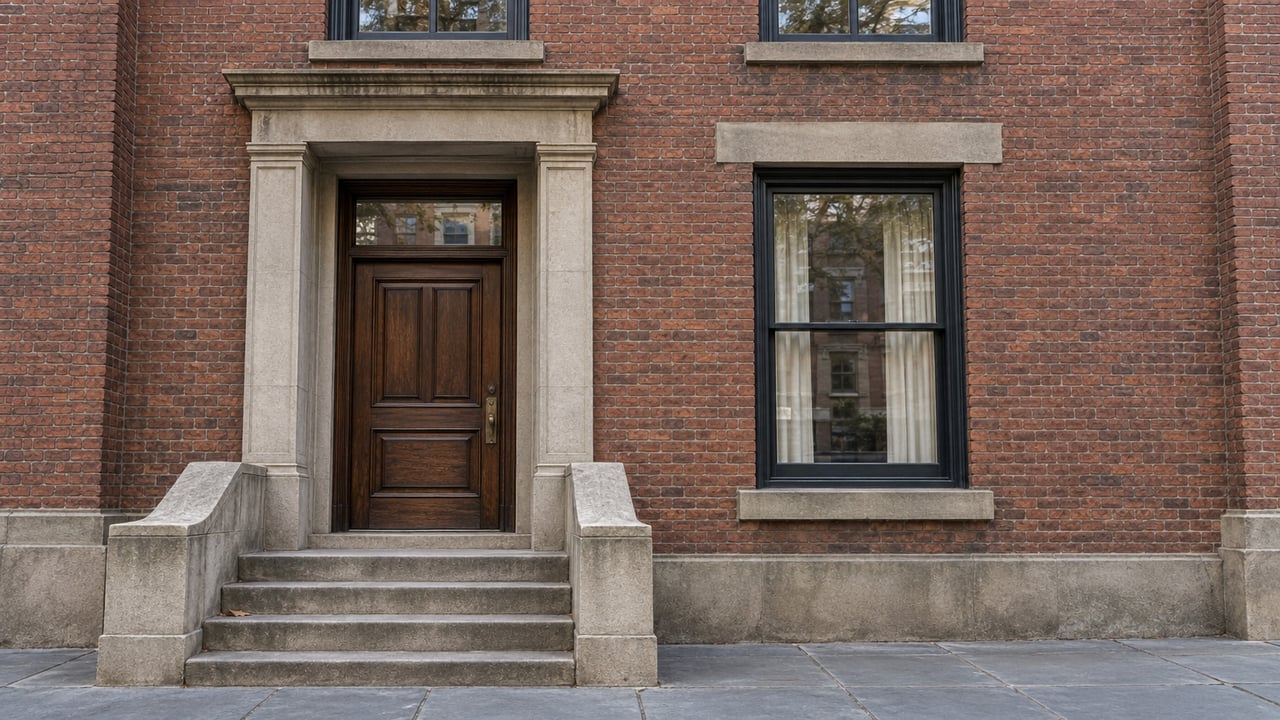
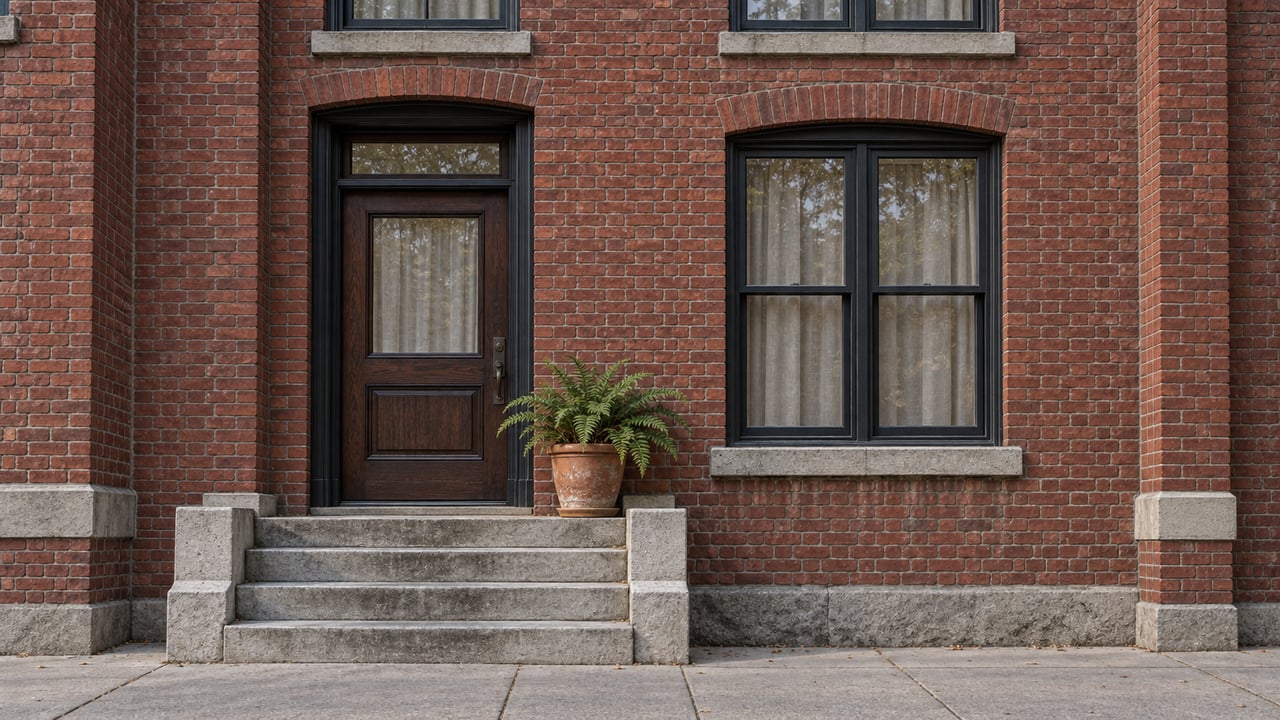
Rittenhouse Square offers a mix of historic character and newer construction, and each comes with trade-offs. For a first-time buyer, this is often one of the most important lifestyle decisions in the search.
If a condo building is on the Philadelphia Register of Historic Places or located in a historic district, the Historical Commission must approve permit-triggering work and exterior alterations. The City says this review generally focuses on facades, roofs, and other exterior features, while interior changes are usually outside the Commission’s jurisdiction unless the interior is also designated.
Historic status does not by itself raise property taxes or change assessment. That’s useful to know if you love the idea of older architecture but worry that designation automatically means a higher tax burden.
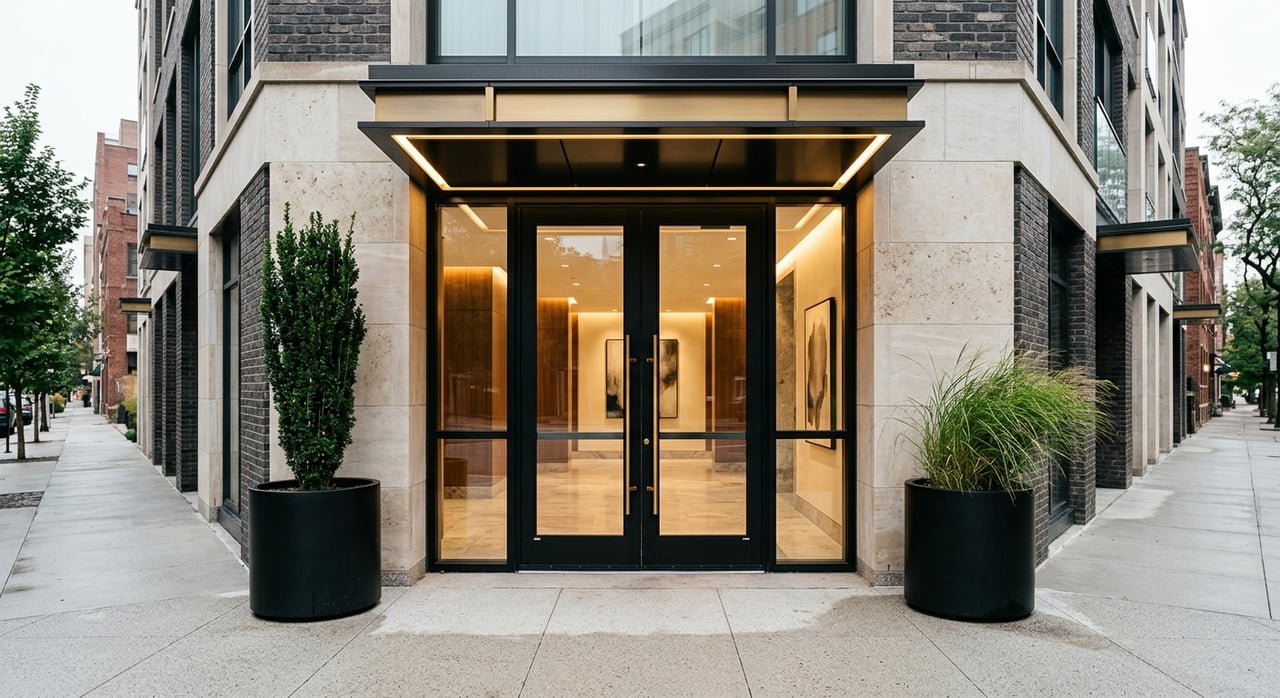
Newer buildings can offer a different value equation. Some may include temporary tax abatements, which can lower ownership costs for a period of time. But you should verify how much time remains, because the remaining abatement period can materially change your budget once it expires.
There is another wrinkle for owner-occupants. The City says properties with a 10-year residential tax abatement are not eligible for the Homestead Exemption until the abatement ends. So if you are comparing a newer condo with an abatement to an older condo without one, the tax picture may be more nuanced than it first appears.
Step 8: Confirm taxes and closing costs before settlement
Before you reach settlement, confirm the tax and closing-cost details one more time. This is the point where a careful review can help you avoid surprise expenses and make sure your post-closing plan is realistic.
Double-check the current property assessment, estimated annual tax bill, condo fee, and any separate charges for parking or storage. If the building has an abatement, confirm the remaining term. If you intend to occupy the condo as your primary residence, make a plan to file for Homestead if eligible.
This is also the time to make sure your monthly payment still feels comfortable with the full picture in view. A condo that looked manageable at first glance can feel very different once you layer in every recurring and one-time cost.
A smart first purchase starts with the building
Your first Rittenhouse condo can be a great lifestyle move and a meaningful long-term asset, but only if you evaluate the full picture. In this neighborhood, buying well means looking beyond finishes and focusing on the building, the budget, the documents, and the rules that shape ownership.
When you take a step-by-step approach, you give yourself room to make a more informed decision. You can compare historic and newer options more clearly, understand the true monthly cost, and avoid getting surprised by association issues after you go under contract.
If you want a high-touch, data-driven approach to buying in Center City, Sean Elstone can help you evaluate Rittenhouse condos with the clarity and care this market deserves.
FAQs
What makes a first condo purchase in Rittenhouse Square different?
- In Rittenhouse Square, the building matters as much as the unit because services, fees, rules, parking, storage, and noise exposure can shape both your lifestyle and your true ownership cost.
What costs should first-time buyers budget for when buying a Rittenhouse condo?
- You should budget for your mortgage, condo fee, real estate taxes, unit insurance, any parking or storage charges, and closing costs including Philadelphia’s realty transfer tax.
What condo documents should buyers review before buying in Philadelphia?
- Buyers should review the declaration, bylaws, rules and regulations, current budget, reserve information, insurance certificate, meeting minutes, and any notices about litigation, capital repairs, or special assessments.
What should buyers know about condo association insurance in Pennsylvania?
- Pennsylvania law requires associations to carry property insurance on common elements and liability insurance, so you should review the master insurance certificate and ask how deductibles are handled.
How do historic condo buildings in Rittenhouse Square affect ownership?
- If a building is designated historic or located in a historic district, certain exterior or permit-triggering work may require Historical Commission approval, though designation does not by itself increase property taxes or change assessment.
Can first-time buyers get the Philadelphia Homestead Exemption on a condo?
- Owner-occupants may qualify for the Homestead Exemption on a primary residence, but properties with a 10-year residential tax abatement are not eligible until that abatement expires.