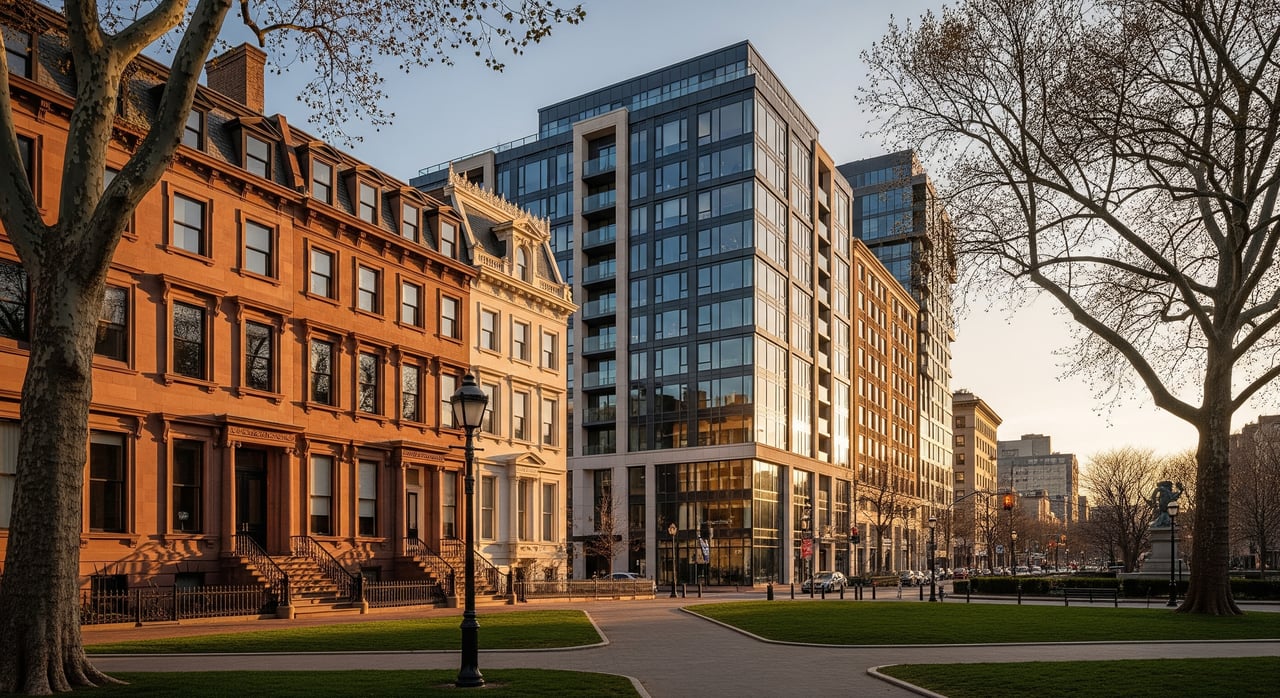
What draws you to Rittenhouse Square — the timeless brownstones or the sleek glass towers with full services? You are not alone. Many buyers here weigh historic character against the convenience of new construction. In this guide, you will get a clear, local view of daily living, costs, rules, maintenance, and resale so you can choose with confidence. Let’s dive in.
Rittenhouse Square at a glance
Rittenhouse Square is one of Philadelphia’s premier urban neighborhoods, prized for its park, restaurants, boutiques, and galleries. It is compact and highly walkable, with strong access to transit that makes a carless or one‑car lifestyle realistic. Parking can be limited or expensive, especially in historic buildings that lack garages. Parts of the neighborhood fall within local and national historic districts, which means exterior changes often require review by the Philadelphia Historical Commission.
Historic homes: what to expect
Architecture and charm
If you value craftsmanship, historic buildings deliver. You often see high ceilings, detailed millwork, plaster moldings, fireplaces, and hardwood floors. Thick masonry walls add a sense of permanence and can help with street noise. Original windows and doors may be single pane and less energy efficient, which affects comfort and utility costs.
Layouts and daily flow
Historic floorplans tend to have defined rooms rather than wide open space. You may find deeper floorplates, irregular room sizes, and creative circulation. Storage can be limited compared to newer condos. Light varies by exposure and building depth, so tour at different times of day to gauge natural light.
Systems and efficiency
Many historic buildings started with steam heat, cast‑iron boilers, and older plumbing or wiring. Many units have been modernized, but building‑wide upgrades can be costly and disruptive. Ask what is original and what has been replaced, and review building records for system ages and recent capital projects.
Access and elevators
Some historic buildings are walk‑ups or have small older elevators. If you prefer step‑free living, confirm elevator presence, capacity, and service history. For downsizers or anyone with mobility needs, elevator reliability and unit access are essential.
Rules and approvals
If the exterior is protected, window, door, and façade work often requires approval. Interior landmark restrictions are less common but possible in some designated interiors. Some pre‑war buildings operate as cooperatives, which come with board approvals and specific policies on ownership and renovations.
Costs and maintenance realities
Expect periodic envelope projects like masonry repointing, roof work, and window restoration. Older plumbing, electrical upgrades, and elevator modernization also appear on long‑term plans. Reserve studies are critical. Historic buildings with low reserves or a pattern of special assessments can add risk to ownership. Review financials before you write an offer.
New construction condos: what to expect
Design and layouts
Newer towers favor clean lines and open plans. You typically get large kitchens with integrated appliances, en‑suite bathrooms, generous closets, and in‑unit laundry. Floor‑to‑ceiling windows create a bright, airy feel and showcase views, though glass‑heavy façades can transmit more street noise depending on construction quality.
Systems and sound
Modern HVAC and electrical systems meet current codes and often improve energy efficiency. Early years may be covered by builder warranties for certain components. Building acoustics vary by materials and specifications, so ask about wall assemblies and sound mitigation between units.
Amenities and services
Full‑service towers often provide concierge or doorman, fitness centers, lounges or co‑working spaces, roof decks, pools, package rooms, and valet or on‑site parking. These “lock‑and‑leave” features are ideal if you travel or want easy day‑to‑day living.
Fees and governance
With more services come higher monthly fees. Budget line items often include staff, utilities for common areas, amenities, security, and reserves. Review what your fee covers, pet and rental policies, and any upcoming projects. Condo purchase approvals are usually administrative, but bylaws still shape how you can use the unit.
Maintenance and reserves
New buildings start with fewer capital needs, yet reserve contributions may rise after warranties expire. Early special assessments can occur if budgets underestimate operating costs or if issues surface once the building is fully occupied. Study the reserve study, operating budget, and history of assessments.
Ownership types you will see
Condominium
You own your unit plus a share of common elements. Monthly fees cover building operations and reserves. Financing is straightforward with most lenders familiar with condos. You receive a separate real estate tax bill for your unit. You carry an HO‑6 policy for your interior, while the association holds a master policy for the structure and common areas.
Cooperative
You own shares in a corporation that grants the right to occupy a specific apartment. Co‑op boards review buyers, financials, and policies. Subletting is often restricted and owner occupancy may be required. Financing is different from condos and may involve specialty lenders. Property taxes are typically paid through your monthly maintenance rather than as a separate tax bill.
Fee simple townhouses
Some rowhouses around the square are fee simple. You control the property and do not share walls or systems with a condo association, though you also take on full responsibility for maintenance. If the exterior is in a historic district, expect review for façade changes.
Lifestyle fit: which suits you
- Choose historic if you want architectural detail, defined rooms for living and entertaining, and a quieter, residential scale. You accept more hands‑on maintenance and the possibility of building projects.
- Choose new construction if you want turnkey systems, elevator convenience, robust amenities, and a lock‑and‑leave lifestyle. You accept higher monthly fees and design uniformity.
- If you are an investor or want flexibility, condo structures that allow rentals can broaden your options. Co‑ops often limit rentals, which may affect liquidity but can support a stable, owner‑occupied environment.
Resale and investment outlook
Both historic and new properties can perform well near Rittenhouse Square. Unique, well‑maintained historic residences with strong architectural significance often command premium pricing due to limited supply. Standardized, well‑located condos in amenity buildings usually have a broader buyer pool and can trade more quickly. Watch fee levels, reserve strength, and rental policies, since these factors influence demand, financing, and long‑term value.
Smart buyer checklist
- Ownership and governance
- Review bylaws, house rules, pet and rental policies, and minutes from the last 6 to 12 months of board meetings.
- Request the last 2 to 3 years of audited financials, the current budget, and the reserve study.
- Ask about pending litigation, planned capital projects, and any special assessments.
- Building condition and capital needs
- For historic buildings: obtain a façade and roof report, masonry condition history, and water infiltration records.
- For all buildings: review elevator maintenance logs, mechanical system ages, and garage or parking condition.
- Unit condition and systems
- Inspect windows, insulation, HVAC, electrical panels, plumbing risers, and hot water systems.
- In historic units: clarify what is original versus renovated and whether soundproofing or insulation was upgraded.
- Financing and insurance
- Confirm lender comfort with the property type, including condo approvals or co‑op policies.
- Verify master policy coverage, deductibles, and your HO‑6 or contents insurance requirements.
- Accessibility and logistics
- Confirm elevator reliability, package handling, storage availability, guest access, and bicycle parking.
- Consider proximity to the park, groceries, transit, and medical services. Visit at different times to gauge noise.
- Renovation limits and permitting
- If in a historic district, understand the approval process for exterior changes.
- Confirm building rules and city permit requirements for interior renovations.
Downsizers: special considerations
- Prioritize accessibility. Elevators, wide corridors, and step‑free entry can be non‑negotiable.
- Weigh services versus fees. A doorman, valet, and on‑site amenities simplify daily life, but costs are higher.
- Consider storage and parking. New towers often include extra storage and structured parking options.
- Think long term. In historic buildings, ask about upcoming envelope work. In new buildings, ask what happens when warranties end.
How to choose the right building
- Start with lifestyle first. Decide whether you value character and privacy or services and convenience.
- Narrow by ownership type. If you want rental flexibility, focus on condos that permit leasing. If you prefer a stable, owner‑occupied setting, a co‑op may suit you.
- Stress test the budget. Compare monthly fees, what they cover, and likely future increases. Model different scenarios, including special assessments.
- Verify governance and reserves. Strong boards and well‑funded reserves reduce risk and help protect resale value.
- Tour at different times. Day and evening visits reveal light, noise, lobby activity, and elevator wait times.
Ready to compare options?
Whether you lean historic or you want a modern tower with amenities, your best move is a guided, building‑by‑building evaluation. If you want a tailored shortlist, fee analysis, and a careful read of board documents and reserve studies, connect with Sean Elstone for a VIP consultation that fits your timeline and goals.
FAQs
How much are HOA or condo fees in Rittenhouse Square?
- Fees vary widely from a few hundred dollars to well over $1,000 per month depending on services and amenities, so always review the budget to see exactly what is covered.
Are co‑ops harder to finance than condos in Philadelphia?
- Often yes, since co‑ops use different loan structures and require board approval, so work with lenders experienced in Philadelphia co‑ops.
What unexpected costs come with historic buildings near Rittenhouse Square?
- Common items include façade repairs, roof and window work, system upgrades, and potential lead or asbestos remediation, plus possible special assessments.
How do resale prospects compare between historic units and new condos?
- Both can perform well, but results depend on condition, governance, fee levels, and rental policies, with unique historic homes and well‑positioned condos each attracting distinct buyer pools.
Should downsizers pick historic charm or a newer tower in Rittenhouse Square?
- Choose based on mobility needs, appetite for maintenance, and desire for services, with newer towers offering easier access and amenities and historic homes offering character and residential scale.