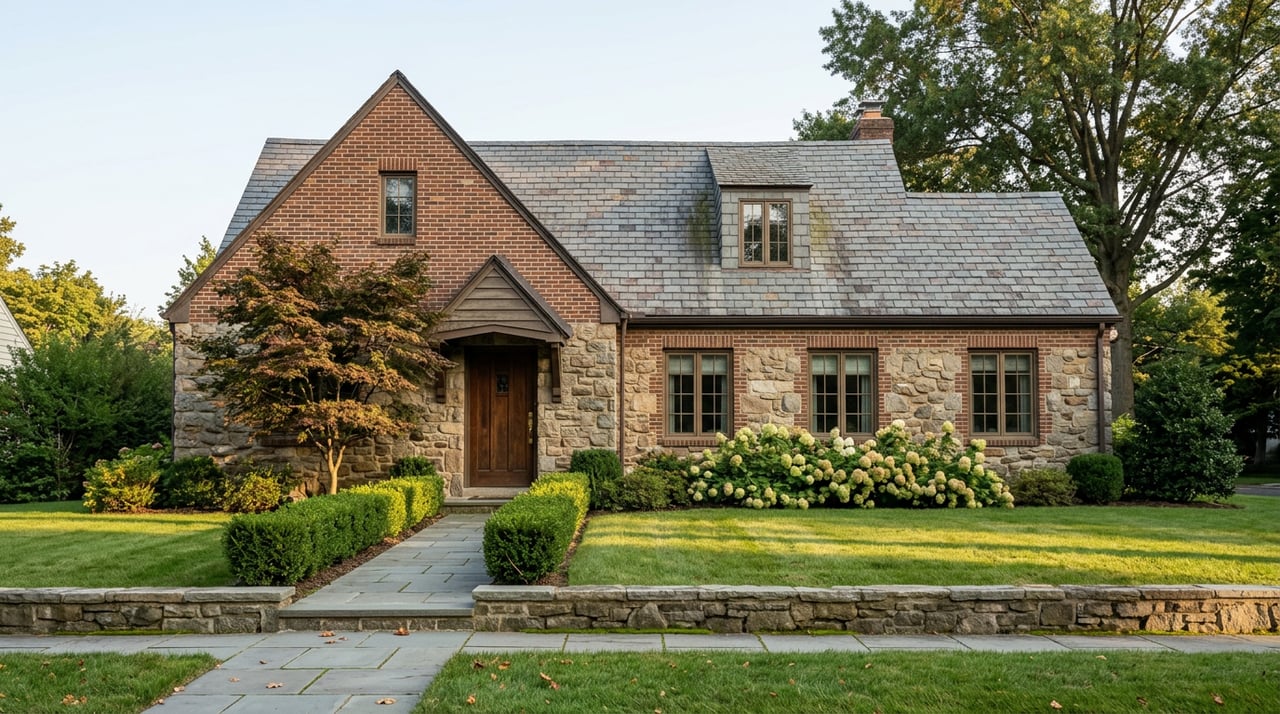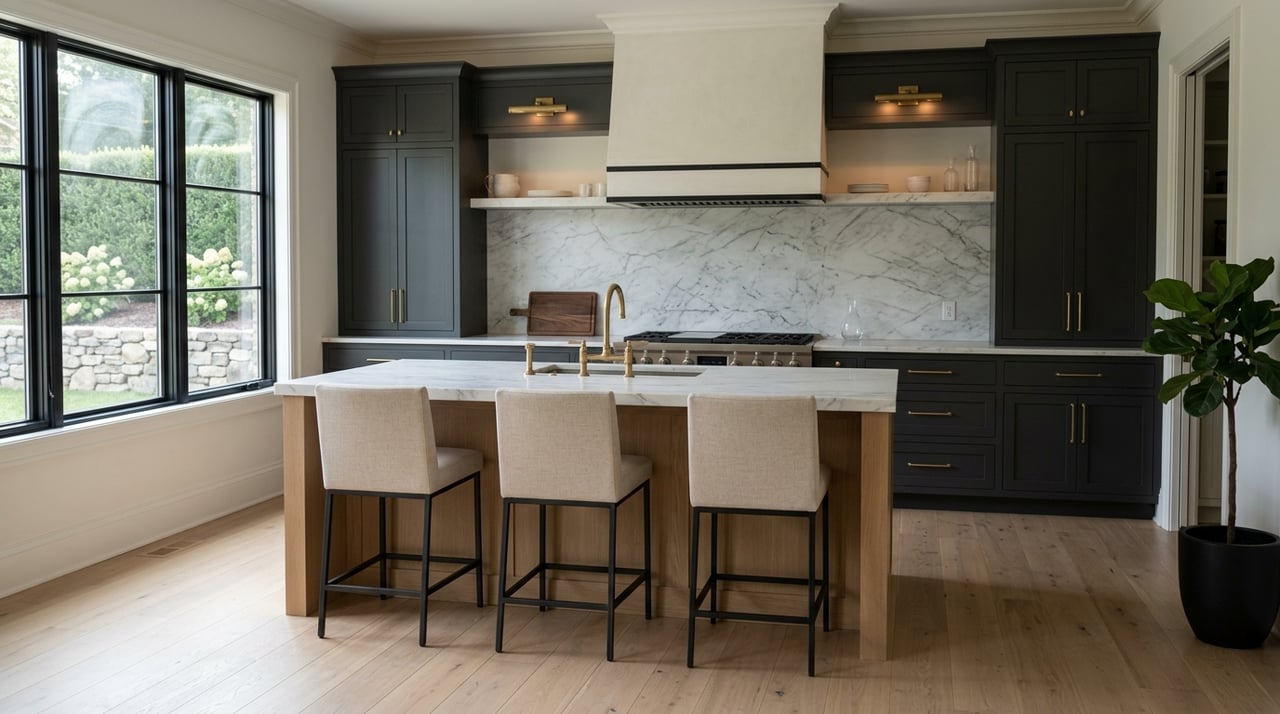
Wondering why one Main Line home commands well over $1 million while another just a few miles away does not? In today’s market, luxury pricing is not based on a simple county average or a generic price-per-square-foot rule. If you are buying or selling on the Main Line, understanding how pricing really works can help you make smarter decisions, avoid costly missteps, and read the market with more confidence. Let’s dive in.
Luxury Means Different Things Here
On the Main Line, “luxury” is not a fixed number. According to Bright MLS luxury market reporting, luxury homes are generally defined as the top 5% of sales in a local market, while ultra-luxury represents the top 1%.
That distinction matters because the luxury threshold moves with the market. In the Philadelphia metro area, the luxury benchmark was $800,000 in Q1 2024, and spring 2025 reporting based on Bright MLS data placed that threshold closer to about $1.075 million. For Main Line buyers and sellers, the takeaway is simple: luxury is relative to the local high-end market, not to one countywide number.
Main Line Pricing Is Hyperlocal
Luxury sales in the Philadelphia region are heavily clustered in the city and the Main Line suburbs, according to Bright MLS. That means a high-end home in Lower Merion or in Chester County Main Line townships is usually priced against a narrow group of nearby comparable properties, not against the broader suburban market.
This is why two homes with similar square footage can have very different values. If they sit in different township markets, offer different site settings, or appeal to different luxury buyers, they may not belong in the same pricing conversation at all.
Comparable Sales Matter Most
When luxury homes are priced correctly, the process starts with comparable sales. Fannie Mae’s appraisal guidance makes clear that comparable properties should have similar physical and legal characteristics, including site, room count, finished area, style, and condition.
It also says appraisers should use sales from the same market area when possible. If truly similar homes are hard to find, they may look to older sales or competing neighborhoods, but only with adjustments and explanation. In practice, that means Main Line luxury pricing is built from the nearest relevant comp set, not from a broad formula.
What Changes a Home’s Comp Pool
On the Main Line, not every detached home competes with every other detached home. A property can shift into a different pricing tier based on factors that change which buyers see it as comparable.
The most common pricing drivers include:
- Exact township and micro-location
- Lot size and site utility
- Architectural style
- Interior layout and flow
- Renovation quality
- Overall condition
- Privacy or estate setting
- Whether the home is detached or attached
A one-of-a-kind estate, a major renovation, or a highly distinctive floor plan can push a home into a smaller and more specialized comp pool. The more unique the property, the more important it becomes to compare it with truly similar sales nearby.
County Medians Give Context Only
County data is useful, but it should not be mistaken for a luxury pricing model. In Montgomery County’s 2025 housing report, the overall median sale price was $485,000, while the median for detached homes was $569,900.
That same report showed Lower Merion Township with the county’s highest overall median sale price at $897,000. Even that figure, while high, still sits below the spring 2025 Philadelphia metro luxury threshold of about $1.075 million. This gap helps explain why countywide averages are only background information for Main Line luxury homes.
Chester County tells a similar story. The 2024 Chester County residential housing report showed a county median sale price of $525,000, while Birmingham Township led at $825,000 and Easttown Township followed at $815,500 among municipalities with at least ten sales. Pricing can vary sharply from township to township, even along the same high-end corridor.
Property Type Still Shapes Value
Not all housing types perform the same way. Montgomery County’s housing data showed a clear spread between detached, attached, and multifamily homes, with detached homes commanding the highest median prices.
That pattern matters on the Main Line. A renovated detached colonial, expanded residence, or new custom build will often compete in a different pricing tier than an attached home or smaller-format property, even if both are in the same general area.
Inventory Still Supports Strong Pricing
One reason Main Line luxury pricing remains firm is supply. Montgomery County’s 2025 report noted that active listings averaged about 982 in 2025, which was less than half the 2019 level. Homes also stayed on the market about 20 days less than they did in 2019.
That kind of inventory backdrop tends to support pricing power, especially for well-located and well-presented homes. It does not mean every luxury listing will sell instantly, but it does mean serious buyers are still active when a home is priced and positioned well.
Adjacent regional data points support the same idea. Bucks County market data from early 2025 showed a $495,000 median sold price, 519 active listings, 12 median days on market, and a pending-to-active contract ratio of 0.99. While Bucks is not core Main Line territory, it adds context for the wider suburban luxury environment.
Buyers Are Still Selective
Mortgage rates continue to shape behavior, even in the upper end of the market. Freddie Mac reported the average 30-year fixed mortgage rate at 6.37% as of April 9, 2026, and Realtor.com’s 2026 forecast expected rates to average about 6.3%.
In a market like this, buyers tend to be more deliberate than they were during the lowest-rate years. The best properties can still attract strong interest, but condition, design, and pricing discipline matter more because buyers have become more selective.
Bright MLS data helps illustrate that point. In Q1 2024, 35% of luxury sales sold above list, 30.1% were all-cash, and the median luxury home sold in 14 days. That is still a competitive environment, but it is less frenzied than earlier peaks, which means overpricing is easier for buyers to spot.
Why Some Luxury Homes Sit Longer
In a constrained market, it is easy to assume any premium home should move quickly. That is not always true. If a home is highly customized, over-improved for its immediate area, or difficult to compare with nearby sales, the pricing process becomes more delicate.
A unique home can absolutely command a premium, but only if the market sees a clear value match. When that match is harder to prove, sellers may need more time, stronger positioning, or more pricing flexibility.
What Sellers Should Watch
If you are selling a luxury home on the Main Line, the biggest mistake is usually relying on broad averages or aspirational numbers instead of a precise comp strategy. Buyers at this price point tend to be informed, and they compare quality, condition, and location closely.
Focus on these pricing questions early:
- Which recent nearby sales truly match your home’s style, lot, and condition?
- Does your home belong in a more specialized comp set?
- Have renovations meaningfully changed its market position?
- Is your asking price supported by recent buyer behavior in your township?
- Would a sharper launch strategy improve your pricing power?
The right list price is not just about attracting attention. It is about attracting the right buyers while protecting value.
What Buyers Should Watch
If you are buying in the Main Line luxury market, county medians can be misleading. A headline number may tell you what the broader market is doing, but it will not tell you what a specific luxury home should trade for.
Instead, pay attention to how the property fits its immediate comp set. Ask whether the site, architecture, layout, and renovation level justify the asking price compared with nearby recent sales. In a market where many well-priced homes still sell near asking, understanding those details can help you move decisively when the right opportunity appears.
The Real Bottom Line
Main Line luxury homes are really priced through a narrow local lens. County averages provide useful background, but the true pricing work happens at the neighborhood and comp-set level, where exact location, lot utility, architecture, and condition shape value.
In today’s market, limited inventory still supports strong outcomes for the best homes, but buyers are careful and pricing must be precise. If you want guidance that combines local market intelligence with a polished, strategic approach, Sean Elstone offers a white-glove experience designed for luxury buyers and sellers across the Main Line.
FAQs
What price range counts as luxury on the Main Line today?
- Luxury is not one fixed number. Bright MLS defines luxury as the top 5% of local sales, and spring 2025 reporting based on Bright MLS data placed the Philadelphia metro luxury threshold at about $1.075 million.
Why do Main Line luxury homes need local comps instead of county averages?
- Local comps matter because luxury homes are priced against nearby properties with similar site, style, size, and condition, while county averages are too broad to capture Main Line high-end pricing accurately.
How do lot size and renovation quality affect Main Line luxury pricing?
- Larger sites, estate settings, distinctive architecture, and major renovations can move a home into a different comp pool, which can raise or reshape its value depending on nearby comparable sales.
Are luxury homes on the Main Line still selling quickly?
- Some are. Bright MLS reported a median of 14 days on market for luxury homes in Q1 2024, but speed depends heavily on pricing, presentation, and how well the property matches buyer expectations.
What should sellers in Lower Merion or Chester County Main Line townships know about pricing?
- Sellers should know that premium townships often perform far above county medians, so pricing should be based on hyperlocal comparable sales and current buyer demand in that specific township or submarket.