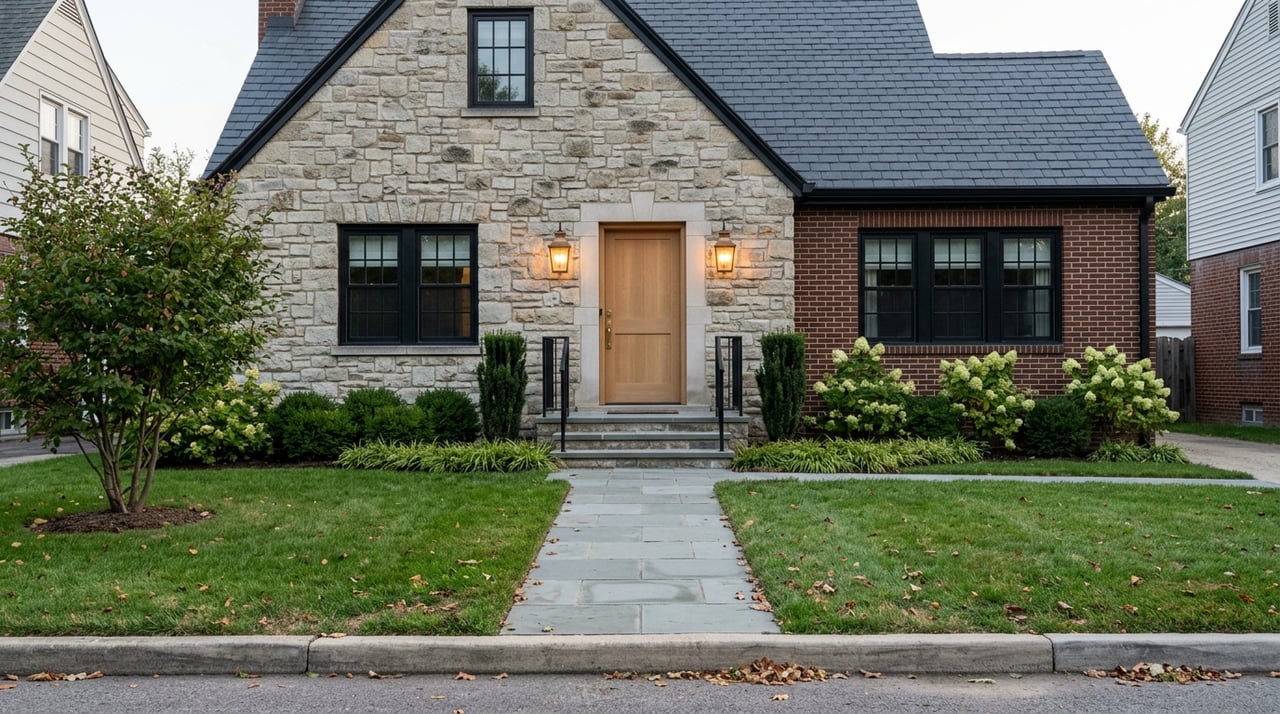
Thinking about upsizing or downsizing in Havertown without disrupting your daily routine? You are not alone. Many Haverford Township homeowners want more space, less maintenance, or a layout that fits their next chapter, but they also want to stay close to schools, parks, and favorite local spots. This guide gives you clear strategies, timelines, financing options, and local cost insights so you can plan a smooth move within Havertown.
Let’s dive in.
Havertown market at a glance
Local home values and time on market can shift quickly, especially in the spring. Public portals often show different numbers because they use different methods and timelines. Treat those figures as directional, not final. If you need a precise read for your address or neighborhood, rely on fresh MLS data and a local agent’s analysis.
What this means for you: focus on readiness and strategy. When your plan is dialed in, you can act quickly when the right opportunity appears.
Choose your move strategy
Sell first: certainty and clean numbers
Selling first gives you clarity on your net proceeds before you buy. You avoid carrying two mortgages and can write a stronger, non‑contingent offer once you close or have funds in hand.
- Pros: financial certainty, clean timeline, no double payments.
- Cons: you may need a short-term rental or a post-closing rent-back.
- Best for: sellers who value certainty and have flexible timing.
Quick timeline example:
- List and go under contract in 2–6 weeks depending on season and pricing.
- Close in about 30–45 days on financed deals, faster with cash. Typical closing timelines vary by lender and conditions.
- Use a rent-back or short rental if your purchase closes a bit later.
Buy first: secure the next home, then sell
Buying first helps you lock in the property you want and reduces the chance of missing it while your home is on the market. This route usually requires more financial flexibility.
- Pros: control over the home you buy and your move-in timing.
- Cons: possible overlap of two mortgages and carrying costs unless you use bridge financing or a HELOC.
- Best for: owners with strong equity, cash reserves, or approved short-term financing.
Quick timeline example:
- Secure financing that allows a non‑contingent offer.
- Buy your next home and settle on a closing date.
- Immediately list your current home to minimize overlap, targeting a 2–8 week sell window based on prep and pricing.
Contingent offer: middle ground with tradeoffs
A sale contingency lets you make an offer that depends on selling your current home. Sellers often use a kick-out clause, which allows them to accept another offer if you cannot remove your contingency by a set deadline.
- Pros: reduces risk of carrying two homes.
- Cons: less competitive in tight markets and may limit which sellers accept your offer.
- How to strengthen it: be fully pre-approved, price your existing home realistically, and agree to clear timelines for inspections and appraisals.
Coordinated closings and rent-backs
You can time both closings on the same day with careful coordination among your lender, title company, and attorneys. Expect financed deals to take about 30–45 days to close in normal conditions. Closing timelines can vary with loan type and season.
Another tool is a post-closing rent-back agreement. This short document lets you remain in the home for a set period after closing, with a daily rate, deposit, and move-out date. Rent-backs are common and practical for local, back-to-back moves.
Financing tools to smooth the move
Choosing the right financing depends on your equity, credit, cash flow, and risk comfort. Here are common options Havertown homeowners use for local moves.
Bridge loan
A bridge loan is short-term financing secured by your current home, designed to help you buy before you sell. Terms are usually up to 12 months and carry higher rates and fees than a standard mortgage. Repayment typically comes from your sale proceeds. Lenders handle these under specific federal disclosure rules, so work closely with your lender on timing, cost, and documentation. Learn more about consumer credit disclosures in the FDIC’s TILA overview.
Best for: move-up buyers with strong equity who need a non‑contingent offer.
HELOC or home equity loan
A home equity line of credit (HELOC) or home equity loan lets you tap existing equity, often at a lower cost than a bridge loan. Lenders evaluate combined loan‑to‑value and debt‑to‑income, so your current mortgage balance and income matter. Consider variable-rate risk for HELOCs and how repayment fits your budget.
Best for: owners with enough equity and income to comfortably qualify.
Cash-out refinance
If rates and terms are favorable, you can refinance your current mortgage for a higher amount and take the difference in cash. Compare closing costs and monthly payments against your timeline, especially if you plan to sell soon after.
Best for: owners who prefer a single, longer-term loan structure over short-term bridge debt.
Seller (owner) financing
In select cases, the seller of the home you want may finance part of your purchase price. This can speed closing and reduce qualification friction. It is less common for primary residences and shifts credit risk to the seller, so terms must be documented carefully by attorneys and the title team.
Best for: buyers and sellers open to creative structures when traditional financing or timing is tight.
Reverse mortgage (HECM for Purchase) for 62+
If you are 62 or older and planning to downsize, the FHA-insured HECM for Purchase program lets you use reverse mortgage proceeds to buy a new primary residence without monthly principal and interest payments. It has specific eligibility rules and mandatory counseling. Review the program with a HUD‑approved counselor and a knowledgeable lender. Start with the HUD HECM resources.
Best for: downsizing owners who want to stay local and use equity to support living expenses.
Capital gains when downsizing
Many sellers can exclude up to 250,000 in capital gains if single, or up to 500,000 if married filing jointly, when selling a primary residence, subject to ownership and use rules. See the IRS’s plain-language overview of the exclusion in Publication 523. Talk with your tax advisor about your specific situation.
What your net could look like in Delco
Transfer tax in most Delaware County municipalities totals about 2 percent. On a 550,000 sale, that is roughly 11,000 in transfer tax. The county’s Recorder of Deeds has details on recording and exemptions. Review their page before you budget your net proceeds: Delaware County Recorder of Deeds.
Other typical seller costs can include:
- Real estate commission. Structures have become more negotiable in recent years. Many sellers still plan for a mid‑single‑digit percentage. Your actual fee depends on your listing agreement.
- Title and closing fees. Budget a modest line item for the seller’s side. A local title company can quote your exact numbers.
- Prep and staging. Costs vary by scope. Many sellers invest here to protect sale price and time on market.
Property tax context: Delaware County has enacted increases in recent budgets, which affects monthly housing costs for buyers and can influence pricing strategy. Stay current by reviewing local reporting, such as the Philadelphia Inquirer’s coverage of county tax changes.
Sample net-proceeds snapshot on 550,000 list price:
- Estimated transfer tax at 2 percent: about 11,000.
- Commission at a hypothetical 5–6 percent: about 27,500–33,000.
- Title and closing fees: estimate a modest range per your title company.
- Prep and staging: budget to fit your home’s needs.
Your precise net will depend on your mortgage payoff, agreed commission, negotiated credits, and exact closing fees.
Prep your current home for a fast sale
A few focused steps can reduce days on market and protect your bottom line.
- Declutter and depersonalize. Create clean, open spaces so buyers can picture life there.
- Deep clean and handle visible repairs. Fix small leaks, service HVAC, and address chipped paint or caulk.
- Neutral paint and curb appeal. Fresh, light-neutral walls and tidy landscaping boost first impressions.
Staging and photography
- The National Association of Realtors’ 2025 Profile of Home Staging reports that staging often shortens time on market and can increase offer prices. Agents cite gains from about 1 to 10 percent and faster sales when key rooms are staged. See highlights in the NAR 2025 staging profile.
- Prioritize the living room, kitchen, and primary bedroom. Professional photography is essential for online reach.
Pre-listing inspection and disclosures
- Pennsylvania requires sellers to disclose known material defects under Title 68, Chapter 73. Completing the required disclosure and, optionally, ordering a pre-listing inspection can reduce surprises. Review the Pennsylvania statute and complete the forms with your agent or attorney.
Local logistics and resources
- Township info. For permits, utilities, and local contacts, use the Haverford Township New Resident Information as a handy reference.
- Timing. Spring markets move fast. Contractors and stagers book up, so schedule early.
- School-year planning. If school-year timing matters, build in cushion for closing and move dates. Use neutral, factual sources for district calendars and enrollment steps.
Right-size with confidence
A smooth local move is about the right plan, not just the right house. Whether you are moving up for more space or down for a simpler lifestyle, combine a clear strategy, a realistic budget, and a strong timeline. That way, you keep Havertown as your home base without missing a beat.
If you want a tailored game plan and white‑glove coordination from prep to keys-in-hand, connect with Sean Elstone for a VIP consultation.
FAQs
How long do coordinated closings take in Havertown?
- Financed purchases commonly take about 30–45 days to close in normal conditions, and same‑day sale-and-purchase closings are possible with tight coordination. See general timing context in LendingTree’s overview.
Is a sale contingency realistic for a Havertown purchase?
- It can be, but it is less competitive when inventory is tight. Strengthen your offer with full pre-approval, clear deadlines, and realistic pricing of your current home, and expect sellers to use kick-out clauses.
What is a bridge loan and when should I use one?
- A bridge loan is short-term financing secured by your current home to let you buy before you sell. It usually carries higher rates and fees and is best for owners with strong equity who need a non‑contingent offer. See the FDIC’s TILA overview for regulatory context.
How can older homeowners downsize and stay local affordably?
- If you are 62 or older, the FHA HECM for Purchase program can help you buy a new primary residence without monthly principal and interest payments, subject to eligibility and counseling. Explore details at HUD’s HECM resources.
What local taxes and fees affect my net proceeds in Delaware County?
- Plan for about a 2 percent transfer tax in many municipalities, plus title fees and your negotiated commission. For recording and tax details, visit the Delaware County Recorder of Deeds. For potential capital-gains exclusions, see IRS Publication 523.