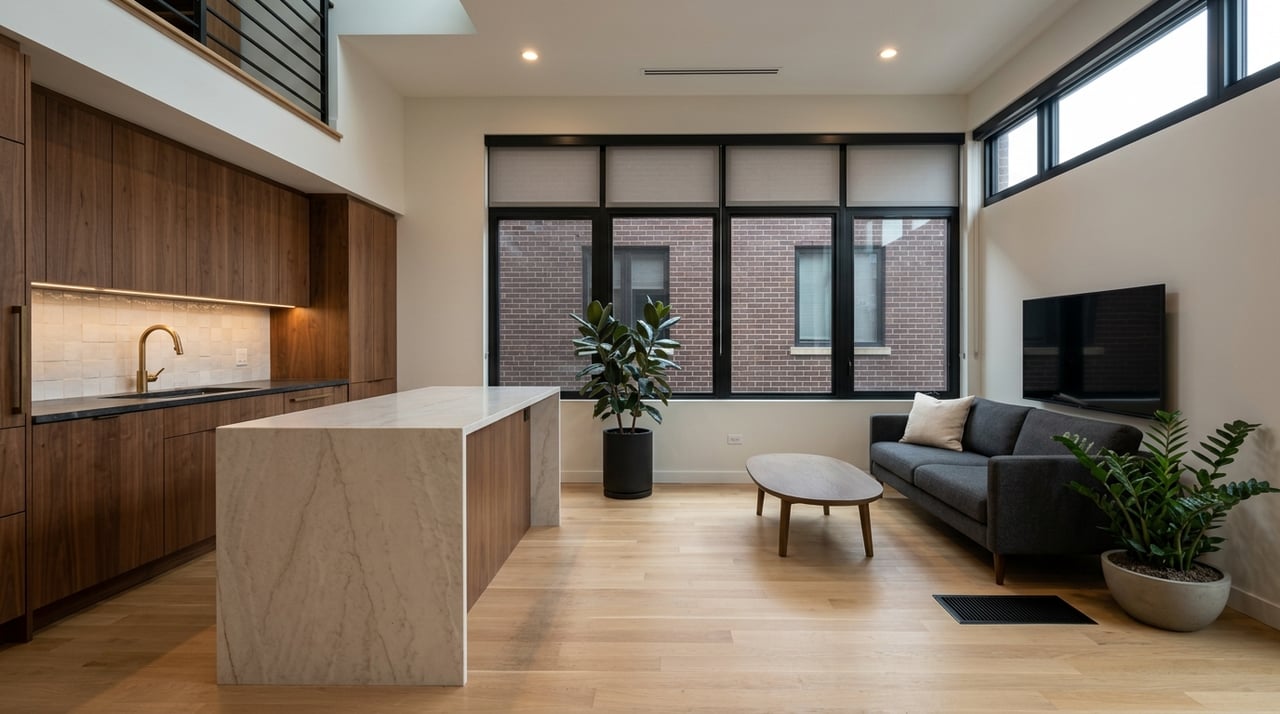
New York City lawmakers have revisited the idea of taxing luxury secondary residences, commonly known as pied-a-terres, as part of broader efforts to address housing affordability and generate city revenue. The proposal targets high-value properties owned by non-primary residents, which has become a defining feature of Manhattan's ultra-luxury market. For buyers weighing where to invest in real estate, this kind of policy shift tends to reshape conversations quickly.
- The proposed tax targets luxury secondary residences in Manhattan, potentially adding significant annual costs to non-primary ownership of high-value properties
- Policy proposals like this historically accelerate interest in neighboring markets where ownership costs remain more predictable and favorable
- Philadelphia, the Main Line, and the Jersey Shore represent compelling alternatives for buyers seeking luxury real estate without the policy uncertainty of dense urban markets
- Sean's markets offer a combination of lifestyle, value, and stability that becomes even more attractive when primary gateway cities introduce ownership penalties
Whether or not the tax passes, the conversation itself is a reminder that smart real estate is always about more than the property. It is about the market conditions around it, and positioning yourself ahead of the shift.