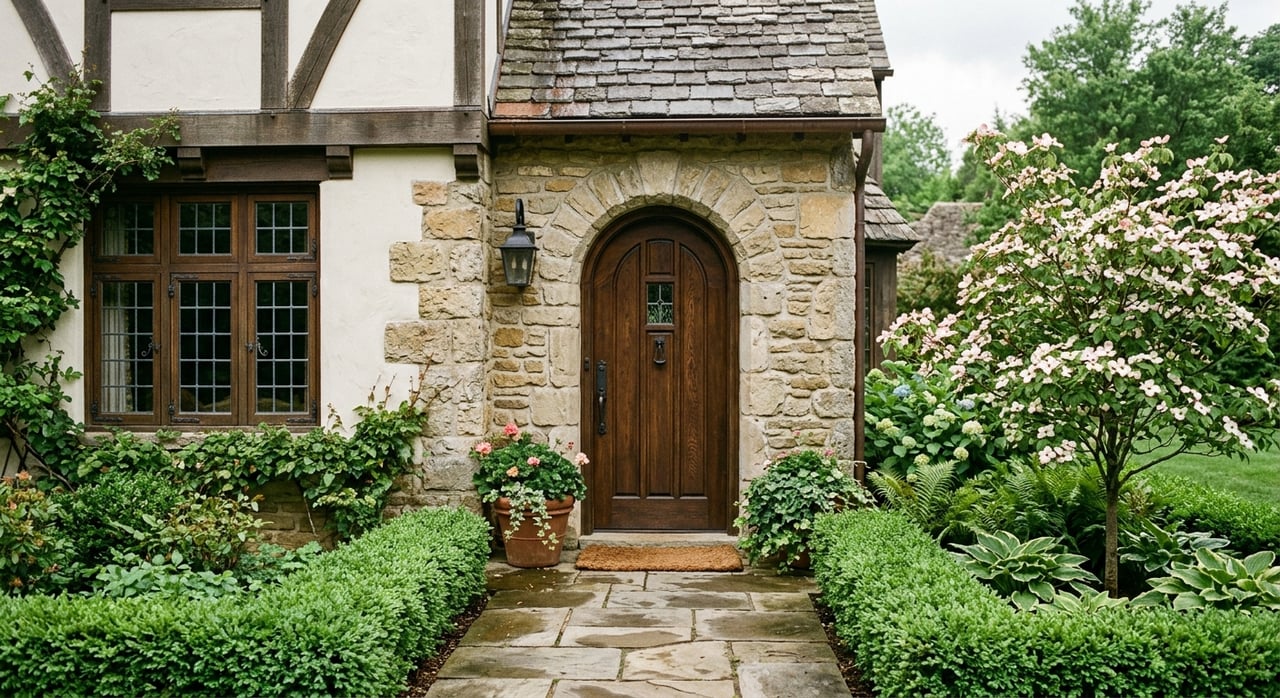
Character is easy to say and surprisingly hard to define, especially when you are house hunting in Merion. One block may offer a formal stone Colonial, the next a storybook Tudor, and a few turns later you may find a lighter postwar home with a more open feel. If you love homes with personality, this guide will help you understand what gives Merion its layered look and how to spot the style that fits the way you want to live. Let’s dive in.
Why Merion Feels So Architecturally Rich
Merion sits within Lower Merion Township, where growth followed the Pennsylvania Railroad and Lancaster Turnpike. Because the area developed across hills, valleys, and transportation corridors, roads and neighborhood edges do not always follow a simple grid. That helps explain why home styles can shift quickly from street to street.
The area also has a strong preservation culture. Lower Merion recognizes seven local historic districts, including Merion-area districts such as Merion Friends Meeting/General Wayne Inn and Gladwyne/Merion Square. For you as a buyer, that means Merion’s visual identity has been shaped not just by age, but by long-term care for architecture and materials.
Stone is a major part of that identity. Historic landmarks like Merion Friends Meetinghouse, built in 1695 with local stone, wood, and labor, and the Merion Tribute House, dedicated in 1924, help show why so many buyers associate Merion with permanence, craftsmanship, and texture.
Stone Colonials in Merion
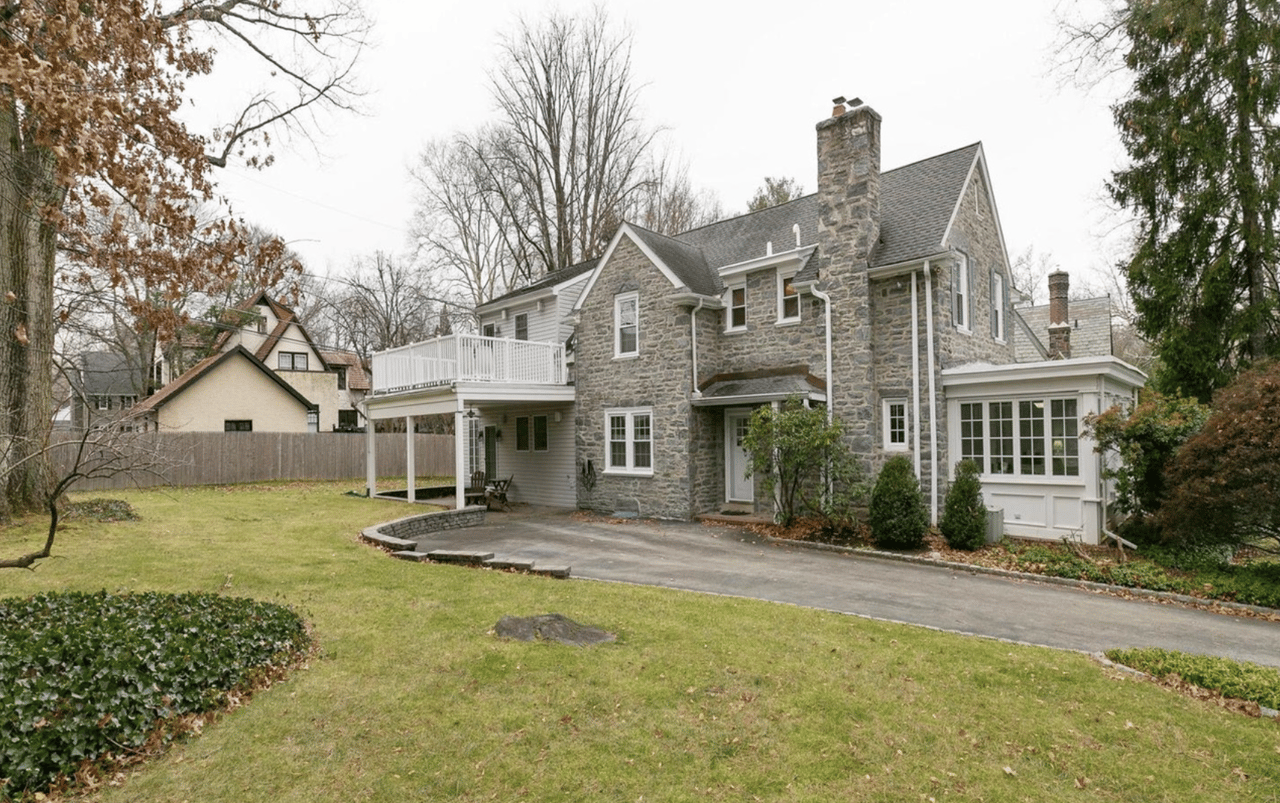
If you picture a classic Main Line home, you may already be thinking of a stone Colonial or Colonial Revival house. In Pennsylvania’s architectural record, Colonial Revival draws from Federal and Georgian traditions and often features symmetry, central entrances, shutters, columns, fanlights, sidelights, and side-gabled or hipped roofs.
In Merion, that style often feels especially grounded because it pairs formal composition with local stone construction. The result is a home that looks substantial without feeling showy. For many buyers, that balance is a big part of the appeal.
What Stone Colonials Usually Feel Like
These homes often read as orderly and straightforward from the outside, and that usually carries into the layout. Based on the style’s emphasis on symmetry and centered entrances, many buyers think of them as center-hall or center-entry homes with clearly defined public rooms.
That can be a great fit if you like a traditional sense of flow. You may find that daily life feels easy to organize when the house has a strong front-to-back structure and rooms with distinct roles.
Details to Look For
When touring Colonial Revival homes in Merion, you may notice features like:
- Balanced front facades
- Centered front doors
- Shutters and dormers
- Side-gabled or hipped roofs
- Classically inspired entry surrounds
- Stone walls that add depth and texture
Late Colonial Revival homes from the 1940s and 1950s often simplify these ideas. They can still feel classic and polished, but with less ornament and a slightly more relaxed look.
Tudor Homes and Storybook Charm
If Colonial homes feel composed and formal, Tudor Revival homes usually feel more textured and romantic. According to Pennsylvania’s architectural guidance, Tudor Revival draws from early and medieval English traditions and commonly includes steep roofs, cross gables, decorative half-timbering, prominent chimneys, narrow multi-pane windows, gabled entries, and patterned stone or brickwork.
In the Lower Merion area, nearby English Village in Wynnewood helps illustrate how these ideas come together at the neighborhood scale. Winding lanes, local stone, leaded windows, half-timbering, and large stone fireplaces all contribute to a sheltered, handcrafted feel.
Why Tudor Homes Feel Different
For many buyers, the biggest difference is symmetry versus texture. Colonial Revival homes usually present a balanced, outward-facing composition. Tudor homes tend to trade that symmetry for variation, detail, and a more inward, intimate feeling.
If you want a home that feels cozy, layered, and visually distinctive, a Tudor may speak to you right away. These homes often create a strong emotional reaction because they feel less standardized and more story-driven.
Tudor Features to Watch For
As you tour Merion homes with Tudor influence, look for:
- Steeply pitched rooflines
- Cross gables
- Decorative half-timbering
- Tall or prominent chimneys
- Narrow multi-pane windows
- Stone or brick patterning
- Gabled front entries
These features often create shadow, depth, and contrast across the facade. That visual texture is a big reason Tudor homes stand out so strongly in photos and in person.
Mid-Century and Postwar Homes
Merion is not only about early twentieth-century architecture. Lower Merion’s residential growth after 1945 also brought more compact suburban forms and modern duplicates of earlier Welsh farmhouses. That later chapter helps explain why some homes in the area feel lighter, simpler, and less formal than their older neighbors.
Mid-century modern broadly falls between 1933 and 1965, and postwar homes often introduced a different kind of livability. National Park Service documentation on 1950s ranch interiors highlights open floor plans, fewer partitions, easier movement between living, kitchen, and dining spaces, and a clearer separation between public and private areas.
What Buyers Often Notice First
If you tour one of these homes after seeing Colonials and Tudors, the shift can feel immediate. Instead of enclosed rooms and formal entries, you may find larger picture windows, more visual openness, and spaces designed for easier everyday flow.
That can be especially appealing if you want character without quite as much formality. Some buyers love the cleaner lines and brighter feeling, especially when the house still sits on a traditional Merion lot.
Signs of a Postwar or Mid-Century Feel
You may notice:
- More open living, dining, and kitchen connections
- Fewer interior partitions
- Large picture windows or sliding glass doors
- Simpler rooflines and exterior detailing
- A lighter, less formal relationship between rooms
These homes can offer a practical alternative if you appreciate Merion’s setting and architectural variety but prefer a more casual interior rhythm.
Updated Older Homes in Merion
Some of the most compelling homes in Merion are not defined by one pure style. Instead, they blend historic character with thoughtful updates. That combination is part of what makes the local housing stock so appealing to character-loving buyers.
In Lower Merion’s local historic districts, the Historical Architectural Review Board reviews visible exterior alterations such as demolition, additions, window replacement, siding replacement, roofing replacement, replacement of exterior details, and painting or staining of masonry. While that does not dictate every renovation decision, it helps explain why many successful updates respect the home’s exterior shell, proportions, and materials.
What a Good Update Often Looks Like
In practical terms, the best updates often preserve what gives the house its identity while improving how it lives day to day. You may see original stonework, strong rooflines, and traditional facade details paired with newer kitchens, baths, or systems inside.
For a buyer, that can be a sweet spot. You get visible craftsmanship and architectural personality, but you may not have to compromise as much on comfort or function.
How to Choose the Right Style for You
Merion’s appeal is not one single home style. It is the overlap of formal stone Colonials, picturesque Tudors, lighter mid-century residences, and carefully updated properties that keep older craftsmanship in view.
The right fit depends on how you want a home to feel when you walk through the front door. If you like order, symmetry, and tradition, a stone Colonial may be the natural match. If you want warmth, texture, and a more romantic feel, a Tudor may stand out. If you prefer openness and a more relaxed layout, a postwar or mid-century home may be worth a close look.
It also helps to think beyond style names. Pay attention to the materials, room flow, window placement, and how the home sits on the lot and street. In Merion, those details often tell you just as much as the architectural label.
If you are exploring Merion because you want a home with substance and a strong sense of place, this is exactly the kind of market where expert guidance matters. The nuances between blocks, eras, and renovation approaches can shape both your experience of the home and your long-term confidence in the purchase.
When you are ready to narrow down the right fit, Sean Elstone can help you evaluate Merion homes with a clear eye for architecture, lifestyle, and long-term value.
FAQs
What home styles are common in Merion, PA?
- Merion commonly features stone Colonial and Colonial Revival homes, Tudor Revival homes, mid-century or postwar residences, and older homes that have been thoughtfully updated.
What defines a Colonial Revival home in Merion?
- In Merion, Colonial Revival homes often feature symmetrical facades, centered entrances, shutters, side-gabled or hipped roofs, and stone construction that gives them a classic Main Line feel.
What makes Tudor homes in Merion appealing to buyers?
- Tudor homes in Merion often appeal to buyers who love steep rooflines, chimneys, half-timbering, patterned masonry, and a cozy, handcrafted look that feels more intimate than formal.
Are there mid-century homes in Merion, PA?
- Yes, Merion includes later homes from the postwar period that can feel lighter and more open, often with fewer interior partitions, larger windows, and easier everyday flow.
What should buyers know about updated historic homes in Merion?
- Buyers should know that visible exterior changes in Lower Merion historic districts may be reviewed, which helps explain why many successful renovations preserve original materials, proportions, and architectural character.
Why do Merion streets have so many different home styles?
- Merion developed over time along rail and road corridors and across hills and valleys, so neighborhood patterns and housing types can change quickly from one block to the next.