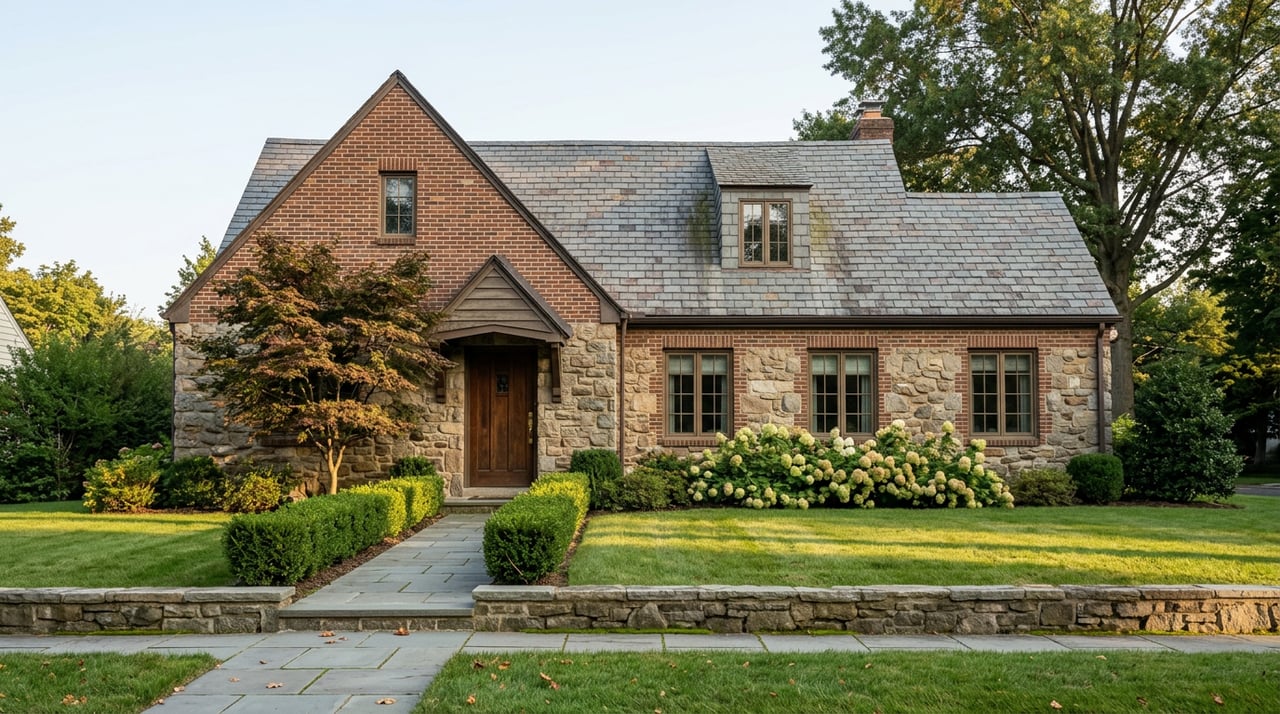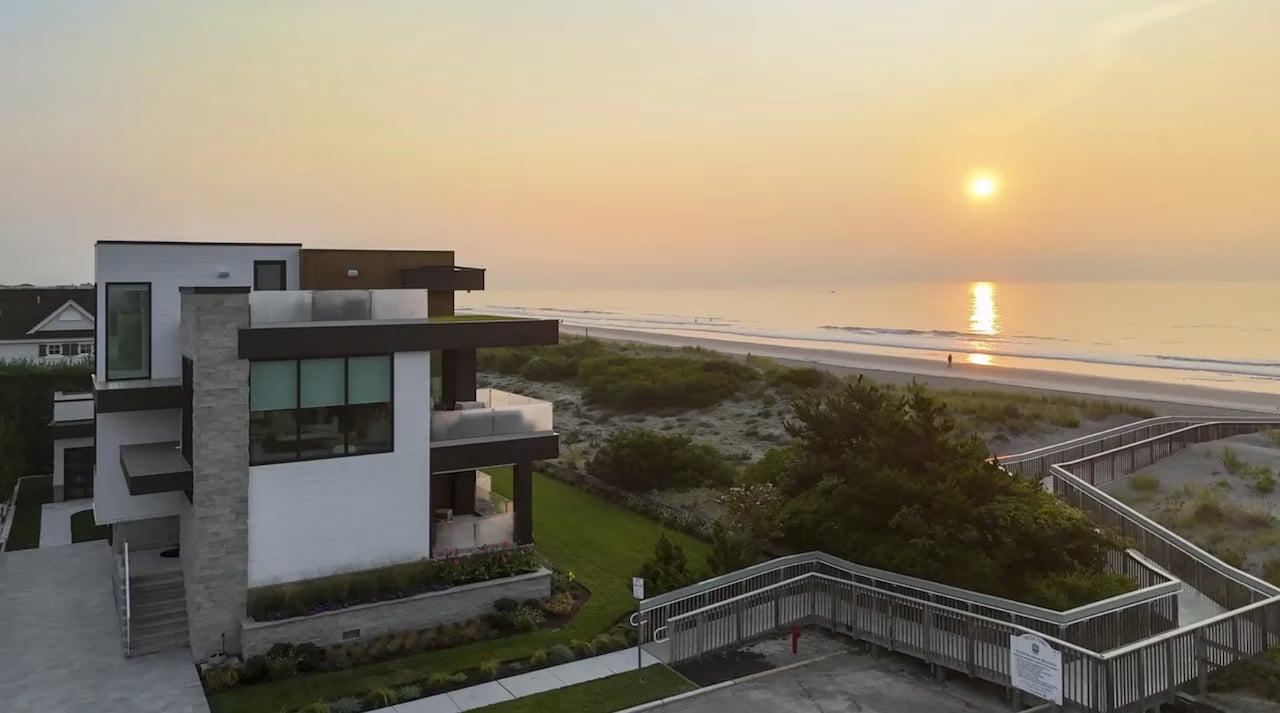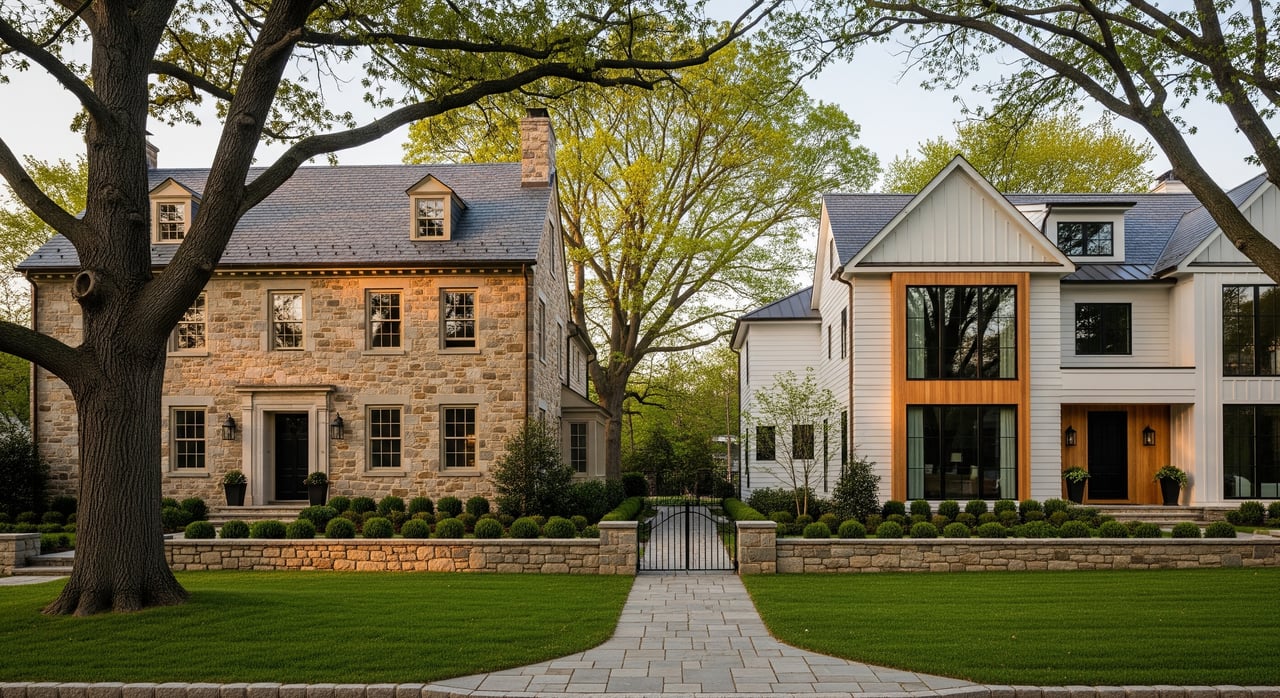
Torn between the charm of a stone farmhouse and the ease of a brand-new build? You’re not alone. In Newtown Square, buyers often weigh character against convenience, budget against long-term costs, and design vision against timeline. This guide breaks down the real differences so you can choose a home that fits your lifestyle, your numbers, and your next chapter. Let’s dive in.
Newtown Square at a glance
Newtown Square in Delaware County blends classic suburban living with a wide mix of homes. You’ll find older stone houses, early suburban styles, mid-century gems, and newer subdivisions. Many buyers here want suburban lot sizes, access to Philadelphia-area job centers and transit corridors, and proximity to local amenities.
When inventory is tight, well-priced historic homes and new builds that are ready to go can both move quickly. Luxury and designated historic properties may follow their own timelines and pricing dynamics based on uniqueness and condition.
Why buyers choose new construction
New construction attracts you if you want modern comfort and predictable costs.
- Open layouts and larger primary suites with walk-in storage.
- New HVAC, electrical, plumbing, and structural systems, often covered by builder warranties for one to ten years. Warranty terms vary by builder.
- Energy-efficient features such as improved insulation, high-efficiency HVAC, LED lighting, and ENERGY STAR appliances. Explore the ENERGY STAR new homes program for context on common features.
- Lower near-term maintenance and more predictable expenses.
- Finish customization when you buy before completion.
What to watch with new builds
- Lot size and landscaping are often smaller or less mature than in older neighborhoods.
- Quality varies by builder and subcontractors. Inspections still matter.
- If you’re building from scratch, construction financing and timing can be more complex than a standard resale purchase.
Why buyers choose historic and older homes
Historic and older homes speak to you if you value character and established neighborhoods.
- Unique architecture and materials that are hard to replicate today, like local stone, detailed woodwork, and distinctive rooflines.
- Mature trees and larger lots in some areas.
- Established streetscapes and proximity to older village centers and parks.
- Potential to add equity with tasteful updates that respect the home’s design.
What to watch with older homes
- Layouts may be more compartmentalized with cozier kitchens and lower ceilings in some areas.
- Systems and efficiency upgrades are common needs, including electrical, plumbing, HVAC, and insulation.
- Maintenance and capital projects can be higher in the near term. Think roof, windows, drainage, and potential issues like lead paint or older wiring in very old homes.
Cost of ownership and resale
Purchase price is only part of the story.
- New construction often carries a premium per square foot based on builder reputation, lot, and finishes. In return, you get modern systems, newer codes, and warranties.
- Older homes can offer a lower entry price in some cases, but near-term work can add up. Resale value depends on location, condition, and the quality of any renovations.
- Well-executed kitchen and bath upgrades, system improvements, and added living space tend to support resale value when they fit neighborhood norms.
Financing: new builds vs. renovations
Your financing path may shape your choice just as much as your design preference.
- New construction: If you build from the ground up, you may use a construction loan that funds the project in stages and then converts to a standard mortgage. Read the CFPB guide to construction loans to understand how draws and costs work.
- Buying an existing home: Conventional, FHA, VA, or USDA financing is common. Appraisals rely on comparable sales, which can be nuanced for unique historic features.
- Renovation financing: If you plan to update an older home, look at the HUD overview of FHA 203(k) or Fannie Mae HomeStyle Renovation options. These products bundle purchase and improvement costs.
Insurance, risk, and location checks
Insurance and risk vary by age, condition, and location.
- Older homes may have higher premiums if systems are outdated or if replacement materials are specialized. Insurers look closely at wiring type, plumbing lines, and roof materials.
- New homes can see lower initial premiums thanks to updated systems and code compliance.
- Flood and hazard checks: Use the FEMA Flood Map Service Center to review floodplain status for any property you’re considering.
Permits and historic protections
Planning a renovation or addition? Know the rules before you draw plans.
- New construction requires site plans, stormwater management, grading, and inspections coordinated through the township.
- Major renovations typically require building and trade permits with scheduled inspections.
- If a property lies within a local historic district or is a designated historic resource, exterior changes may need review by a local historic commission. Federal listing on the National Register does not restrict private owners unless federal funds or permits are involved. Learn how federal historic programs work through the National Park Service tax incentive overview, and explore Pennsylvania resources via the Pennsylvania Historical & Museum Commission.
Energy and tax incentives
Upgrades can help comfort and operating costs.
- New builds often start with efficient HVAC, insulation, and appliances.
- Older homes can benefit from targeted improvements such as air sealing, insulation, and high-efficiency systems.
- Federal incentives may apply for certain energy upgrades. For historic rehabilitation tax credits, note that federal programs mainly support income-producing properties. State or local incentives vary by program and availability.
Inspection checklists you can use
Thorough inspections protect your budget and timeline.
For historic and older homes
- Full home inspection plus specialists for foundation/structure, roof, chimney, electrical, plumbing, and HVAC.
- Assess for hazardous materials in very old homes, like lead paint or asbestos. Get estimates for remediation.
- Review past permits and renovation records; confirm whether work was done to code.
- If exterior changes are planned, confirm whether local historic review applies.
For new construction
- Hire a licensed inspector for pre-drywall and final inspections. Verify insulation, flashing, grading, and drainage.
- Review the builder’s warranty coverage, timelines, and claim process.
- Confirm completion of punch-list items before closing.
- If using a construction loan, understand draw schedules and progress inspections.
If you’re unsure where to start, look for licensed professionals through organizations like the American Society of Home Inspectors.
Which path fits your lifestyle?
Use these quick prompts to clarify your decision.
- Choose new construction if you want turnkey living, modern layouts, lower near-term maintenance, and energy-efficient comfort. This path suits a predictable timeline and preferences for a fresh, cohesive design.
- Choose historic or older homes if you love architectural detail, value established neighborhoods and mature lots, and are open to renovation. This path offers design originality and potential equity through thoughtful updates.
- Not sure yet? Start with your budget, timeline, and renovation appetite. Then weigh specific properties against your daily routine and long-term plans.
Selling tips for each type
Position your home to meet today’s buyer expectations.
If you’re selling a historic or older home
- Pre-listing inspections can surface issues to address or disclose.
- Invest in targeted system updates that preserve character while boosting comfort and safety.
- Present clear documentation of permits and reputable contractors.
If you’re selling new construction or newer homes
- Highlight energy-efficiency features, smart layouts, and builder warranties.
- Provide a full package of plans, permits, and compliance paperwork.
- Showcase low maintenance and predictable ownership costs.
Ready to compare real options in Newtown Square with a clear plan? Get tailored guidance, vetted vendor referrals, and a white-glove experience with Sean Elstone.
FAQs
What should Newtown Square buyers compare first when choosing new vs. historic homes?
- Start with total cost of ownership, renovation appetite, timeline, and lifestyle needs like layout and yard size. Then compare specific properties through inspections and financing options.
How do construction loans work for a Newtown Square new build purchase?
- A construction loan funds work in stages and usually converts to a standard mortgage at completion. Review the CFPB construction loan overview and ask lenders about rates, draws, and fees.
Are there tax credits for restoring a historic Newtown Square home?
- Federal historic rehabilitation credits generally apply to income-producing properties. Explore the National Park Service tax incentives and check Pennsylvania programs via PHMC.
What inspections are essential for very old homes in the area?
- Prioritize structure, roof, electrical, plumbing, HVAC, and potential hazardous materials. Add chimney and drainage evaluations. Find licensed pros through ASHI.
How does flood risk factor into Newtown Square home choices?
- Always check the FEMA Flood Map Service Center. Flood zones affect insurance costs, renovation plans, and long-term risk.
What are common pros of energy efficiency in new vs. older homes?
- New homes often include efficient HVAC, insulation, and appliances. Older homes can improve comfort and costs through targeted upgrades. See the ENERGY STAR new homes program for context on features.