Trying to choose between the energy of Center City and the calm of the Main Line? You’re not alone. Your decision shapes your daily routine, commute, budget, and long‑term plans. In this guide, you’ll compare costs, housing types, commute options, schools, taxes, and lifestyle so you can feel confident picking your next home base. Let’s dive in.
Center City vs. Main Line at a glance
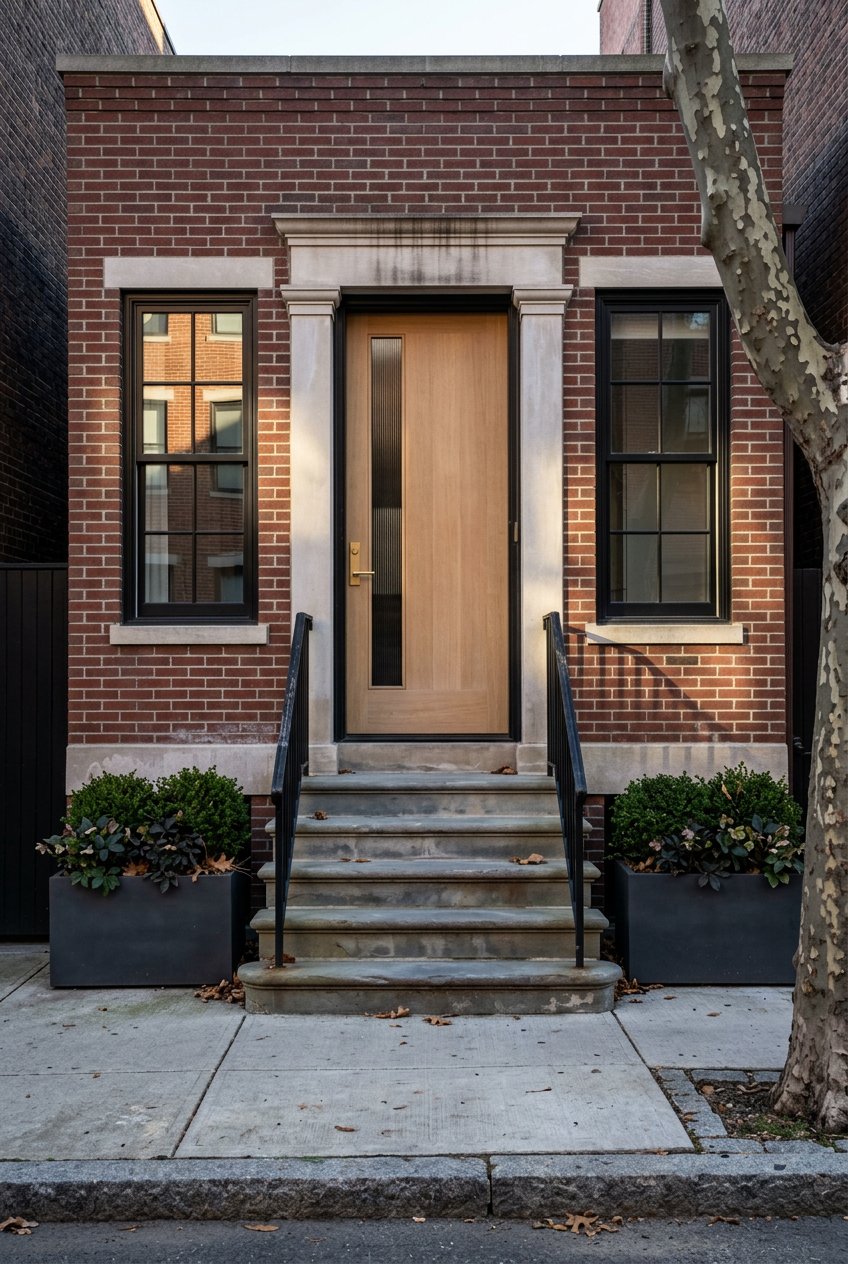
If you picture Center City, think condos and rowhouses, short trips to restaurants, and an easy walk or quick transit ride to work. If you picture the Main Line, think single‑family homes, larger lots, quieter streets, and Regional Rail to get into the city. The Main Line is a string of historic suburban towns running west from Philadelphia with walkable village centers near train stations and lower‑density neighborhoods beyond them. For context on the area and its towns, review the overview of the Philadelphia Main Line.
In practical terms, Center City often gives you lower maintenance and a car‑light lifestyle. The Main Line often gives you more square footage, a yard, and a garage, with more maintenance and higher recurring costs. Your best fit depends on how you want to live day to day.
What you get for your budget
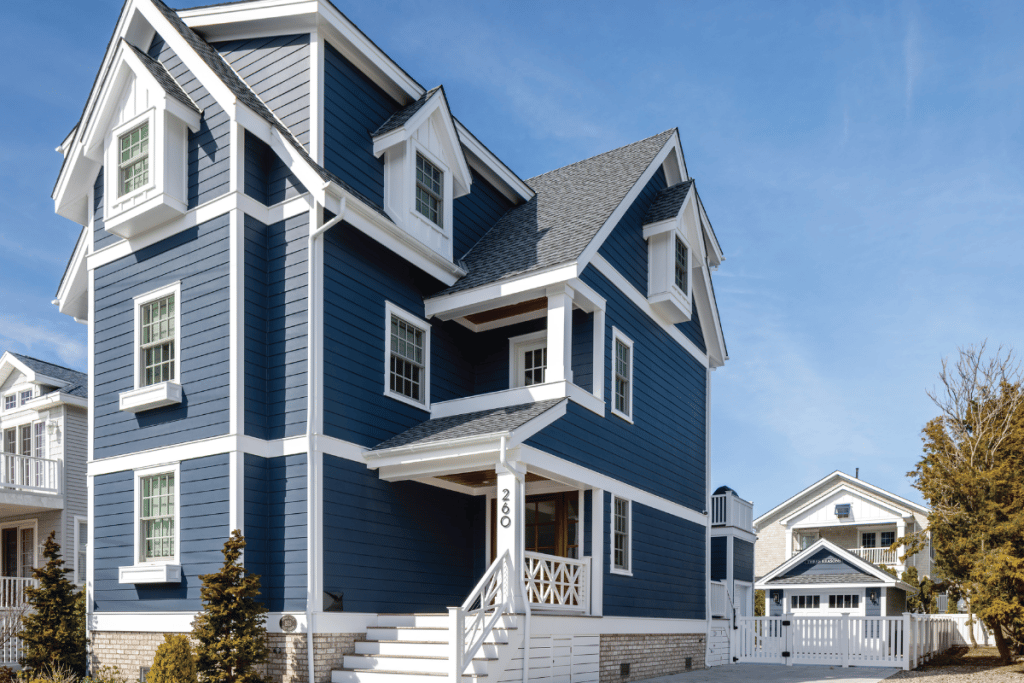
Housing stock shapes pricing. In Philadelphia proper, many buyers enter the market through condos or smaller rowhouses. On the Main Line, most options are single‑family homes on larger lots, which generally come with higher purchase prices and taxes.
To anchor expectations, county data show higher median sold prices in many Main Line municipalities, including Lower Merion. Review the latest township medians in Montgomery County’s annual summary of median prices for housing. Prices shift by season and source, so look at current, town‑level figures when you’re ready to make offers.
If you want an apples‑to‑apples comparison, line up a Center City condo or townhouse budget against a Main Line single‑family budget. Then add yearly costs like taxes and HOA or maintenance. The gap often widens once you factor in ongoing expenses.
Commute and mobility
Regional Rail times
Main Line residents often rely on SEPTA Regional Rail for a predictable ride into Center City. Sample trips show why. A Paoli to 30th Street Station ride is roughly 40 to 45 minutes, while Bryn Mawr to Center City can be about 20 to 30 minutes depending on the train. You can preview example timetables and durations using a simple trip lookup such as this Paoli to 30th Street example on fromto.travel. Always confirm current schedules with SEPTA.
Walkability and errands
Center City shines for daily convenience. Many neighborhoods score high for walking, biking, and transit, which helps you skip car trips for errands and dining. Explore Philadelphia’s overall Walk Score view to get a feel for how easily you can get around without a car.
Driving and parking
Driving from the Main Line to Center City varies by time of day. Peak congestion can outlast rail travel times, so many commuters choose the train. In the city, parking availability and fees vary by building and block. On the Main Line, most homes include off‑street parking and garages, and you’ll likely drive more for errands, kids’ activities, and weekend plans.
Schools and education options
School needs are a major decision driver. Several Main Line districts, including Lower Merion, Tredyffrin‑Easttown, and Radnor, earn strong marks in state and national rankings. As an example, you can review the Lower Merion School District page on Niche to understand how third‑party services evaluate performance and programs. Always verify district boundaries and specific school assignments for any address you are considering.
Philadelphia’s public system is large and diverse, with neighborhood schools and a range of charter and magnet programs. Families who want to compare both markets should visit schools, review the latest accountability data, and consider commute patterns to after‑school activities.
Daily life and amenities
Culture and dining
If you love museums, theaters, top restaurants, and quick access to professional services, Center City puts more of that within a 10 to 20 minute walk or short transit ride. The density and variety make it easy to do more on a weeknight without planning.
Parks and recreation
The Main Line offers quieter blocks, local arts institutions, and easy access to large regional parks and trails. Valley Forge and surrounding green spaces are close by, and many neighborhoods have ample private outdoor space. For a broader snapshot of Main Line character and towns, revisit the regional overview.
Health care access
Both areas have excellent health care, but the mix is different. The Main Line is served by Main Line Health hospitals such as Lankenau, Bryn Mawr, and Paoli, which receive strong regional recognitions. You can see a summary of recent accolades on Main Line Health’s news site. Center City houses major academic medical centers like Penn Medicine, Jefferson, and CHOP, which concentrate specialty care inside the city.
Taxes and ongoing costs
How property taxes work
Philadelphia combines city and school real estate taxes on one bill, with homestead and other relief programs available to eligible owners. For policy context and program references, review the city’s public budget and bond documentation on phila.gov. On the Main Line, your bill typically combines township, county, and school district millage. These rates change through annual budgets, and some municipalities have proposed or adopted increases recently. For example, Lower Merion has considered tax changes in its budget cycle, reported by the Philadelphia Inquirer.
The bottom line: even for similarly assessed values, annual tax bills in many Main Line townships can exceed those in the city. Always check the latest millage for the specific town and school district tied to a property.
Condo fees vs. maintenance costs
In Center City, you should budget for condo or HOA fees and, in many buildings, paid parking. Those fees often cover exterior maintenance, shared systems, amenities, and sometimes utilities, which can stabilize costs. On the Main Line, you will likely handle more of the maintenance yourself, including landscaping, tree care, snow removal, and larger utility loads, which can raise annual ownership costs.
Resale and long‑term value
Liquidity looks different across these markets. Entry‑level and mid‑market Center City condos can draw a broad buyer pool, especially in high‑amenity locations. On the Main Line, single‑family homes in sought‑after school districts tend to maintain steady demand from families, even if very high‑end properties may take longer to market. Your agent should review recent time‑on‑market and list‑to‑sale ratios for your exact segment before you set pricing or write offers.
Neighborhood snapshots
Center City examples: Rittenhouse, Washington Square West, and Old City offer condo and townhouse living, high walk and transit scores, and a dense mix of dining and culture. You can preview overall city walkability with Walk Score’s Philadelphia summary.
Main Line town centers: Ardmore, Bryn Mawr, and Wayne pair walkable cores near train stations with nearby single‑family streets. You get small‑town convenience with Regional Rail to the city.
Suburban municipalities: Lower Merion, Radnor, and Tredyffrin feature larger lots, a wide range of architectural styles, and public school districts that many buyers prioritize for programs and performance. Pricing varies by neighborhood and property type, so a town‑by‑town review is key.
Buyer checklist: choose with confidence
Use this quick list to frame your decision and short‑list neighborhoods.
Budget and taxes: Set your purchase range and model annual taxes by town. For city policy context and relief programs, scan Philadelphia’s budget materials. In the suburbs, pull current township, county, and school millage before making offers.
Commute tolerance: Decide your target door‑to‑door time. If you want about 20 to 30 minutes by rail, focus near Bryn Mawr or Wayne. If you can do 40 to 45 minutes, Paoli and nearby stations may work. Preview example durations like this Paoli to 30th Street lookup, then confirm with SEPTA.
School priorities: If public schools drive the move, start with district boundaries and recent program and performance info. Third‑party snapshots, such as Lower Merion on Niche, are a helpful starting point. Always verify assignments for a specific address.
Lifestyle tradeoffs: Do you want to walk to dinner and the gym, or do you prefer a quiet street and a yard? Use a resource like Walk Score’s Philadelphia view to visualize car‑light living, then compare that to your daily needs on the Main Line.
Maintenance and cash flow: In a condo, read the HOA budget and reserves and ask about assessments. In a single‑family home, build a line item for landscaping, exterior care, and system upgrades. Parking costs in the city and higher utilities in the suburbs can shift your monthly number.
Who each area fits best
Choose Center City if you want a lower‑maintenance home base, a strong urban lifestyle, and the option to walk or take short transit rides for most errands. You may trade private outdoor space for time savings, culture, and convenience.
Choose the Main Line if you want more space inside and out, a garage, and a quieter neighborhood fabric. You may accept a longer commute and higher annual costs in exchange for a yard, a single‑family layout, and proximity to suburban schools and parks.
Your next step
Every buyer’s priorities are different, which is why a tailored plan matters. If you want a side‑by‑side budget model, a short‑list of neighborhoods that match your commute and school goals, and on‑the‑ground guidance across both markets, let’s talk. Start your move with a VIP consultation from Sean Elstone.
FAQs
How do Philadelphia and Main Line property taxes compare?
- Philadelphia combines city and school taxes with available relief programs, while Main Line bills bundle township, county, and school millage that can result in higher annual costs; review Philadelphia’s budget materials and local township or school budgets, such as coverage of Lower Merion’s budget process in the Inquirer.
What are typical commute times from the Main Line to Center City?
- Bryn Mawr to Center City by Regional Rail is often about 20 to 30 minutes, and Paoli to 30th Street can be roughly 40 to 45 minutes based on train type and time; see an example lookup for Paoli to 30th Street on fromto.travel and confirm with SEPTA.
What housing types dominate each market?
- Center City is heavy on condos, lofts, and rowhouses with lower exterior maintenance, while the Main Line is mostly single‑family homes on larger lots with garages and more private outdoor space.
How should I evaluate schools on the Main Line versus in Philadelphia?
- Start with district boundaries and official resources, then review third‑party snapshots like Lower Merion on Niche and visit schools to assess programs, transportation, and fit for your family.
Are there walkable pockets on the Main Line?
- Yes, town centers like Ardmore, Bryn Mawr, and Wayne offer walkable cores near train stations, while many surrounding neighborhoods are lower density; for regional context, see the Philadelphia Main Line overview.