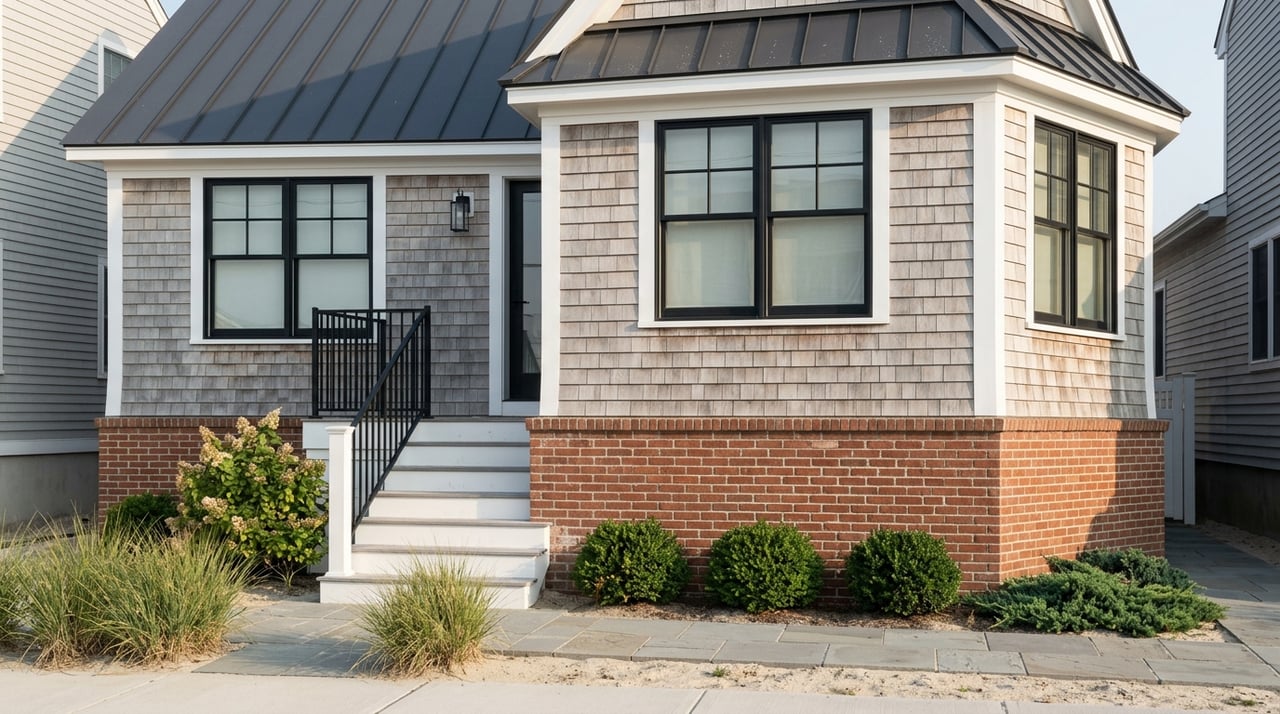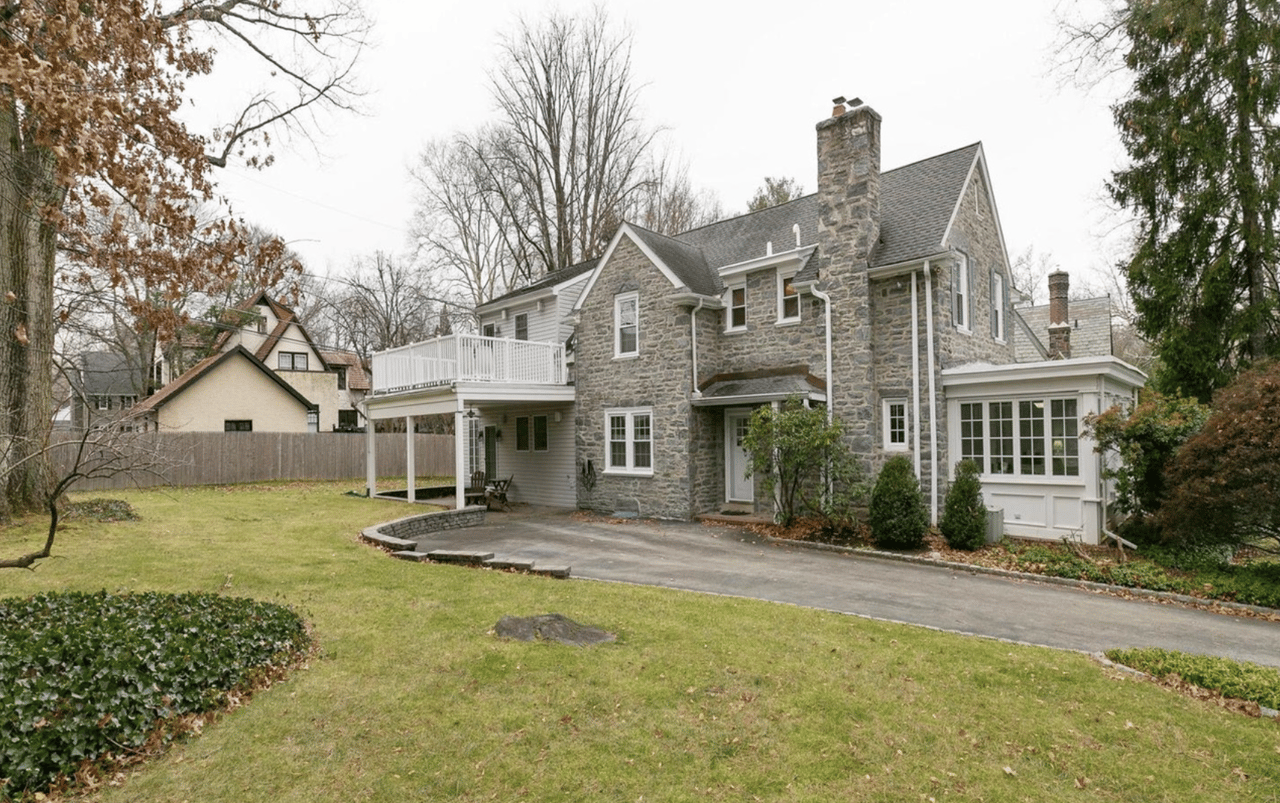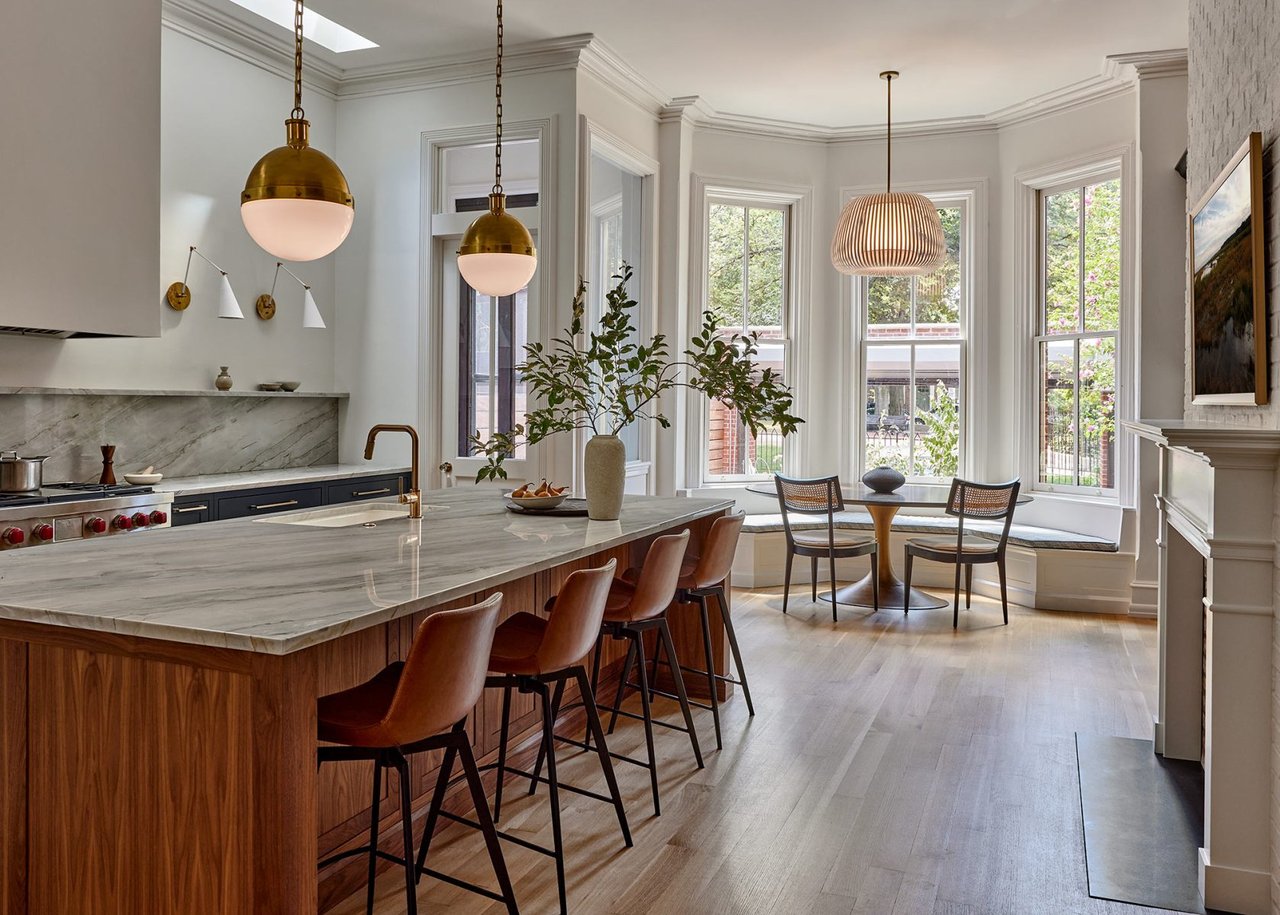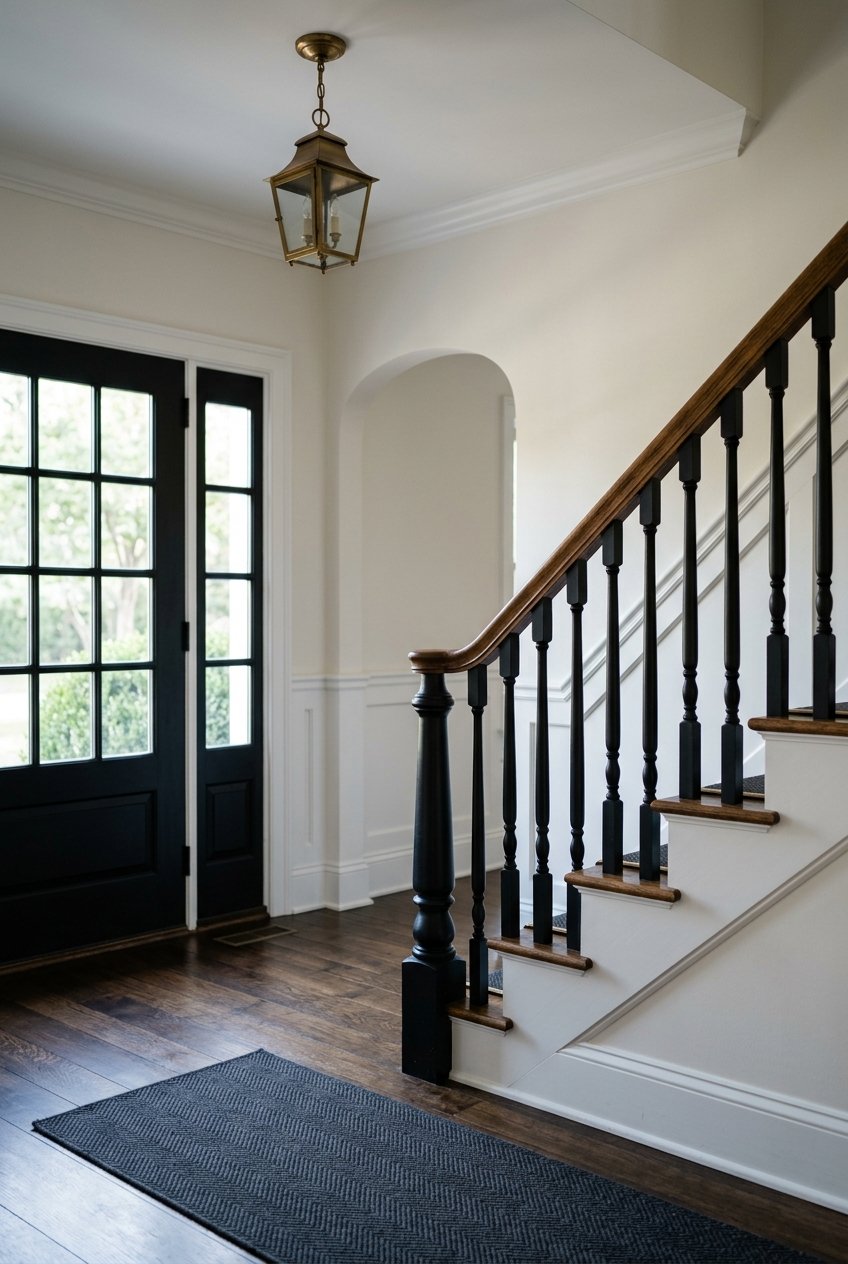
If you own a historic home in Merion, you are not just selling square footage. You are presenting craftsmanship, setting, and a story that modern luxury buyers want to understand the moment they walk in. The challenge is making that story feel current, polished, and easy to appreciate without stripping away what makes the home special. This guide will help you prepare a Merion historic home for today’s luxury buyer with the right mix of preservation awareness, smart updates, and elevated presentation. Let’s dive in.
Why Merion history matters
Merion sits within Lower Merion Township, an area the township describes as part of the historic Main Line and home to a large number of designated historic resources. In fact, Lower Merion notes that it maintains an official Historic Resource Inventory and has about 1,000 historic resources on that list, including historic districts tied to places such as the Merion Friends Meeting and General Wayne Inn Historic District.
For buyers at the luxury level, that context can be a real advantage. A home in Merion often offers more than architecture alone. It can also offer a sense of continuity, a recognizable streetscape, and a setting that feels established and distinct.
That matters because buyers do not choose a home based only on finishes. According to the National Association of Realtors 2024 buyer survey, neighborhood quality was the top factor influencing neighborhood choice, while home features also remained important. In Merion, the home and its setting tend to work together.
Start with the rules first
Before you repaint trim, replace roofing, or swap out windows, confirm how your property is classified. In Lower Merion, historic review requirements can vary depending on whether a home sits in a local historic district, is a Class I or II resource, or is otherwise listed on the Historic Resource Inventory.
The township explains that in local historic districts, exterior alterations, new construction, demolition, and signage require review by the Historical Architectural Review Board and a Certificate of Appropriateness before work proceeds. For certain properties outside a local district, exterior changes may instead go to the Historical Commission.
Even if your planned work feels minor, timing matters. Lower Merion’s online permitting portal notes that zoning review is required for outside work, and residential permits may apply to projects such as roofing, additions, interior renovations and repairs, fencing, walkways, driveways, patios, and sheds.
The key takeaway: if you are preparing to sell, check review and permit requirements early. That can help you avoid delays, unnecessary expense, or last-minute changes right before listing.
Focus on repair over replacement
One of the biggest mistakes sellers make with a historic property is over-updating it. A modern luxury buyer usually wants comfort and polish, but that does not mean they want the home to lose its architectural authenticity.
In Lower Merion, the township’s historic window guidance is especially useful. It states that historic wood windows, when properly maintained and paired with storm windows, can be as energy efficient as new windows. The guidance ranks exact sash replication as the preferred option and places vinyl replacement last.
That tells you something important about preparation strategy. If your windows are drafty, sticking, or visually tired, the better move is often to repair, clean, and tune them rather than replace them outright.
The same general principle applies throughout the house. In many historic homes, the strongest pre-sale improvements are the least flashy:
- Repair cracked plaster
- Refinish or touch up original trim
- Polish original hardware
- Address deferred maintenance
- Clean and align windows and doors
- Refresh paint with restrained, period-appropriate neutral tones
These choices help the home feel cared for and move-in ready while keeping the historic character intact.
Make modern luxury feel subtle
Luxury buyers still expect comfort, but in a historic home, comfort should feel integrated rather than forced. The goal is not to make the property look brand new. The goal is to make it feel elevated, functional, and visually calm.
That is especially true if you are considering exterior work or an addition before listing. Lower Merion’s guidance for additions says that new construction should remain secondary to the historic structure, with rear additions generally being more compatible and front-facing additions discouraged when they compete with the main facade.
For sellers, that means it is usually wiser to highlight improvements that support daily living without overwhelming the original architecture. If updates have already been made, present them as complementary to the home’s period details. If work is still under consideration, it often makes more sense to complete only the improvements that clearly improve condition, presentation, or function.
Stage the rooms buyers notice first
Presentation matters, especially in a luxury listing where buyers often form an opinion online before they ever schedule a showing. According to the NAR 2025 Profile of Home Staging, 83 percent of buyers’ agents said staging made it easier for buyers to visualize the property as a future home.
That same report found that photos, physical staging, video, and virtual tours all rank highly in importance. It also identified the living room, primary bedroom, and kitchen among the most important rooms to stage, with the dining room also commonly emphasized.
In a historic Merion home, staging should do two things at once:
- Simplify the space so buyers can read the room quickly.
- Direct attention to the original details that give the property distinction.
That usually means removing visual clutter, scaling furnishings appropriately, and avoiding decor that competes with millwork, fireplaces, ceiling height, or window lines. In many cases, less is more.
Highlight the architecture in marketing
Historic luxury homes need more than standard listing photography. They need a clear visual and editorial narrative.
Your marketing should help buyers understand what makes the home unique, from its age and architectural style to notable original features and restoration history. In Merion, it is also smart to place the property within the broader historic landscape of Lower Merion, as long as every detail is accurate and verifiable.
This is where professional presentation becomes especially valuable. Since NAR research shows buyers place strong weight on photos, video, and virtual tours, the listing should be designed to let the architecture shine from the first image onward. Wide shots, detail photography, and a concise property story can help buyers immediately understand both the home’s character and its lifestyle appeal.
Prepare for disclosures and due diligence
Older homes often require a more thoughtful disclosure process. If your home was built before 1978, federal law generally requires sellers to follow the EPA’s lead-based paint disclosure rule. That includes disclosing known lead hazards, providing the required pamphlet, and allowing buyers time to conduct a lead inspection or risk assessment.
The EPA also advises that damaged or disturbance-prone asbestos-containing materials should be evaluated by a trained and accredited professional. If your home has known conditions or older materials that may become part of buyer due diligence, it is better to discuss them early with the right professionals rather than let uncertainty shape the negotiation later.
Being proactive does not mean overcorrecting. It means organizing information, understanding what applies to your property, and entering the market with a clear plan.
A practical prep plan for sellers
If you want a clean path from preparation to market, start with a simple sequence.
1. Confirm historic status
Check whether your home is in a local historic district, on the Historic Resource Inventory, or subject to other township review. This shapes what exterior work may need approval.
2. Review permits early
Before starting improvements, confirm whether zoning review or permits may apply. Even modest outside work can affect timing.
3. Prioritize visible maintenance
Address condition issues that buyers notice immediately. Think windows, trim, plaster, paint, roofing concerns, and deferred repairs.
4. Avoid unnecessary replacement
Keep original elements when practical, especially if repair is a strong option. Authenticity is often part of the home’s value.
5. Stage key rooms well
Focus on the living room, primary bedroom, kitchen, and dining room. Make each room feel open, calm, and easy to understand.
6. Build a strong listing story
Use photography, video, and concise copy to connect the architecture, updates, and Merion setting in a polished way.
The best outcome blends character and clarity
The most successful historic home sales in Merion tend to strike a balance. The house should feel preserved, but not frozen. Luxurious, but not overdone. Edited, but never stripped of personality.
When you prepare thoughtfully, you make it easier for buyers to see both the beauty of the past and the comfort of the present. That is what helps a historic property connect with the modern luxury buyer.
If you are thinking about selling a historic home in Merion, working with a strategy-first advisor can make the process far more efficient and far more refined. For tailored guidance on positioning, presentation, and marketing, connect with Sean Elstone.
FAQs
Does a historic home in Merion need approval for exterior work before listing?
- In many cases, yes. Lower Merion requires review for certain exterior alterations depending on whether the home is in a local historic district or otherwise regulated through its preservation framework.
Should you replace old windows in a Merion historic home before selling?
- Usually, repair is the better first step. Lower Merion’s guidance supports maintaining historic wood windows and ranks vinyl replacement as the least favored option.
Which rooms matter most when staging a historic luxury home in Merion?
- NAR’s staging research points to the living room, primary bedroom, kitchen, and dining room as key spaces to prioritize.
Why does neighborhood context matter when marketing a historic home in Merion?
- Buyer research shows neighborhood quality is a leading factor in home choice, and Merion’s historic Main Line setting can strengthen a property’s appeal when marketed accurately.
What disclosures should sellers expect for an older home in Merion?
- For most homes built before 1978, federal lead-based paint disclosure rules apply, and any known hazards or relevant conditions should be reviewed with the appropriate professionals before listing.