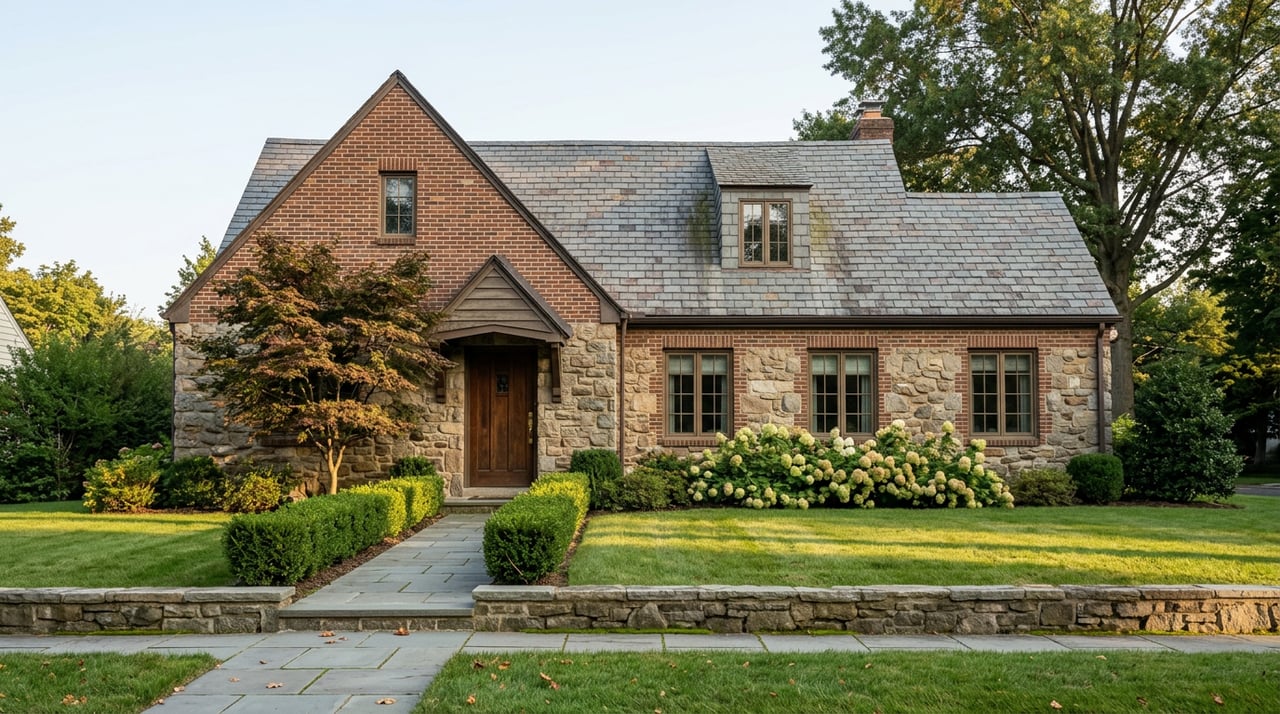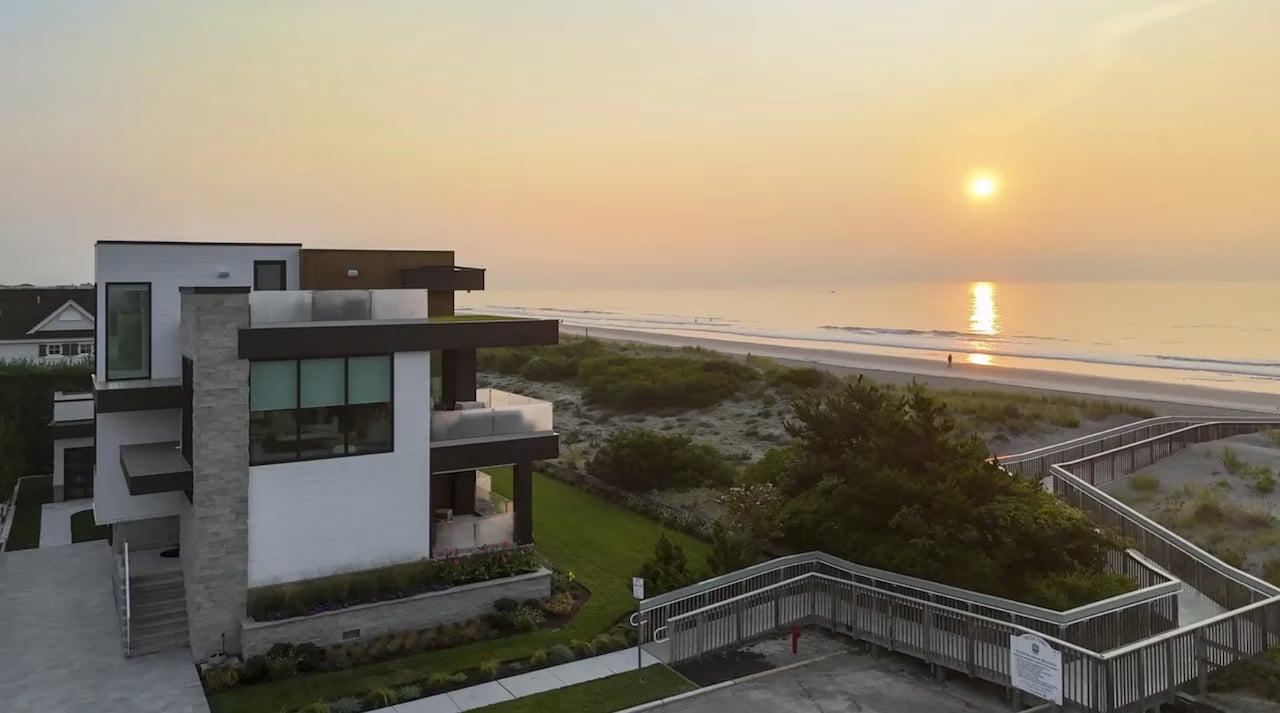
When financial headlines talk about a cooling housing market, they are usually describing places like Phoenix or Austin, markets that saw a construction boom and now have more homes than buyers. The Catskills never had that problem. The region's challenge has always run the other way: a structural shortage of inventory that predates the pandemic and only tightened during the 2020 to 2021 buying frenzy.
That scarcity is now the defining feature of the market. High-end sales in towns like Woodstock, Hudson, and Livingston Manor remain robust, providing a valuation floor for the region even as national commentary predicts broader softening. Proximity to New York City continues to be the draw, often described locally as the two-hour escape valve, and it keeps a steady stream of well-qualified buyers coming regardless of interest rate cycles. Add in a farm-to-table food scene and arts culture that cannot be mass-produced, and it is easy to see why the Catskills continue to hold their own.
- The Catskills face a structural housing shortage that predates the pandemic, unlike overbuilt Sunbelt markets
- Luxury sales in Woodstock, Hudson, and Livingston Manor remain strong and anchor regional values
- Proximity to New York City keeps a steady pipeline of qualified buyers regardless of rate cycles
- Limited new construction means little risk of the region absorbing an inventory glut
For buyers watching the broader market for signs of a slowdown, the Catskills are a good reminder that real estate always plays out locally first.
Attribution: The Wall Street Journal
Photo Credit: Courtesy of The Wall Street Journal