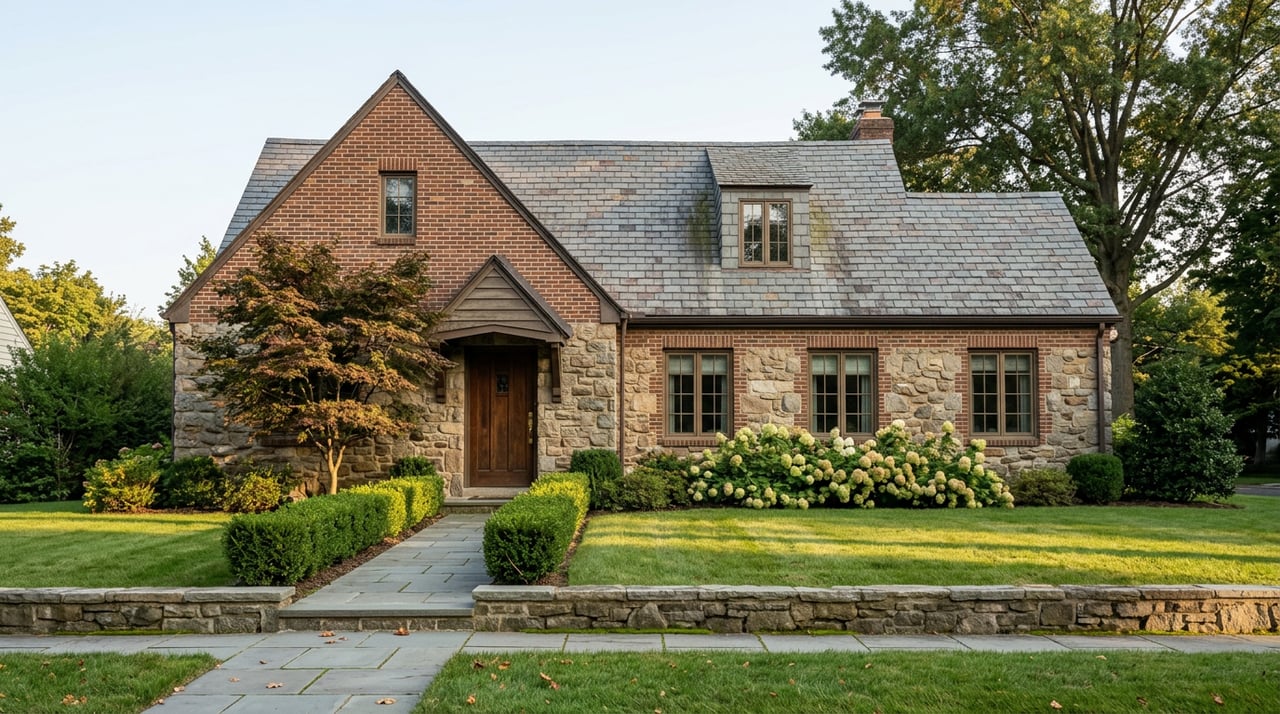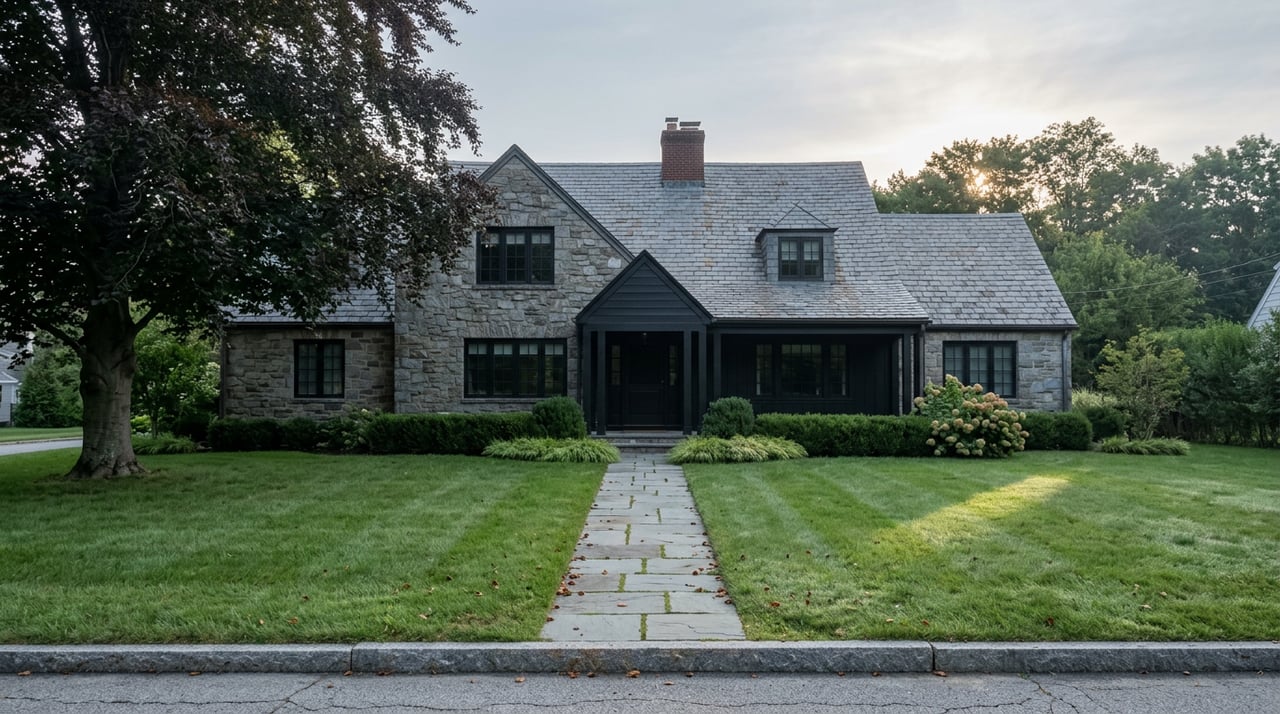
A buyer's mortgage underwriter will ask for pay stubs, bank statements, and an appraisal. A home inspector will check the roof, the furnace, and the electrical panel. Neither one will ask whether your sidewalk is level or whether there's a smoke detector on the third floor. Lower Merion Township will, and it does so on its own schedule, one that has nothing to do with your accepted offer or your mortgage commitment date.
That's the part sellers in Ardmore, Bryn Mawr, Gladwyne, Wynnewood, Narberth, Penn Valley, Merion Station, and Bala Cynwyd tend to discover too late. The township requires a Resale Certification before any property in Lower Merion can change hands, and the certificate runs on a municipal clock that can take up to two months to complete. If you wait to start that process until you have a signed agreement of sale, you're not just doing paperwork. You're racing a deadline you didn't set against one you did.
What the certification actually checks
The Resale Certification isn't a home inspection in the way most buyers think of one. It doesn't touch the furnace, the roof, or anything behind the drywall. The township's Building and Planning Department is looking at a short, specific list: sidewalks and curbs in good repair, the property address visible from the street, and smoke detectors installed in every bedroom and on every level of the house. Staff also pull the property's file and flag any outstanding violations, which then get disclosed to the buyer as part of the sale.
None of these items are hard to fix. A missing smoke detector is a ten-minute errand. A cracked curb section is a call to a concrete contractor. The friction isn't the checklist. It's the queue behind it.
The math that catches sellers off guard
Here's where the timing actually bites. The certificate takes 30 to 60 days to issue once you apply. Most sellers don't apply the day they sign a listing agreement. They apply after they've accepted an offer, because that's when a certificate feels necessary. But an accepted offer starts its own countdown toward settlement, and if that countdown is shorter than the township's processing window, the two clocks collide.
A seller who lists a home, accepts an offer three weeks later, and then applies for the Resale Certification is now asking a process that can take two months to finish inside a settlement date that may already be six or seven weeks out. There's no guarantee the certificate arrives before the closing table does.
The fee structure makes the incentive to apply early even clearer. The township charges $100 if the application comes in 20 or more days before settlement, and $150 if it comes in fewer than 20 days before settlement. That's not a penalty for being late in the moral sense. It's the township's way of saying: this process has a cost when you compress it, and that cost is yours to carry.
| When you apply | Fee |
|---|---|
| 20 or more days before settlement | $100 |
| Fewer than 20 days before settlement | $150 |
Why "after the offer" is the wrong trigger
The instinct to wait until there's a buyer makes sense on paper. Why pay for a certificate on a house that might sit on the market for a while? But that instinct treats the Resale Certification like an inspection contingency, something that happens in response to a transaction. It isn't. It's a prerequisite to the transaction closing at all.
The better trigger is the listing agreement itself, not the offer. The day a Lower Merion home goes on the market is the day the 30-to-60-day clock should start, because that's the only way to guarantee the certificate is sitting in a file, done, by the time a buyer is ready to sign at settlement. Sellers who apply at listing are never the ones scrambling to explain to a buyer's attorney why the certificate isn't ready two weeks before closing.
The file review nobody mentions
The smoke detectors and curb repairs are the visible part of the process. The property file review is the part that gets less attention and can matter more. When the township pulls a file, it's looking for any outstanding violations tied to that address, work done without a permit, a zoning issue that was never resolved, anything sitting open in the record. Whatever turns up gets disclosed to the buyer.
For a home that's changed hands once or twice in the last few decades, or one where a previous owner did work without pulling permits, this is where a seller can be surprised by their own house. It's also the strongest argument for applying early rather than late: a violation discovered 45 days before closing can be resolved. One discovered five days before closing is a negotiation, not a fix.
What this means if you're listing this fall
Anyone bringing a Lower Merion property to market this fall should treat the Resale Certification application as part of the pre-listing checklist, alongside photography and pricing strategy, not as a follow-up task after the sign goes in the yard. Walk the property line for sidewalk and curb condition. Confirm a working smoke detector is installed in every bedroom and on every level. Then file the application through the Building and Planning Department before the first showing, not after the first offer.
The certificate itself is a formality. The timing around it isn't. A seller who treats the 30-to-60-day window as background noise, something that will sort itself out once there's a buyer, is gambling with their own closing date. A seller who treats it as the first task on the list turns a municipal requirement into something that never comes up again until the day everyone signs.
A few questions worth asking before you list
Does the Resale Certification apply to condos and townhouses, or just single-family homes? The township requires the certification for property sales generally, so attached and multi-level properties are not automatically exempt. If you're unsure how the requirement applies to your specific property type, the Building and Planning Department can confirm before you file.
What if I've already accepted an offer and haven't applied yet? Apply immediately. Every day that passes narrows the window between when the certificate might arrive and when your settlement is scheduled, and it moves you closer to the $150 fee tier rather than the $100 one.
Can I fix violations found during the file review, or do they kill the deal? Violations disclosed through the file review can typically be addressed before closing if there's enough time. That's the practical argument for applying at listing rather than after an offer: time to fix a problem is the one resource this process doesn't give you back once it's gone.
Selling a Main Line home involves more moving pieces than the listing photos ever show, and the ones that run on a government calendar instead of a real estate one are the easiest to miss until they cause a delay. If you're weighing a listing in Lower Merion Township this fall and want a pre-listing walkthrough that catches this kind of timing issue before it becomes a closing-week problem, Sean Elstone can help you build a calendar that works backward from the settlement date you actually want, not the one a missed form forces on you. Request a VIP Consultation to start the conversation.